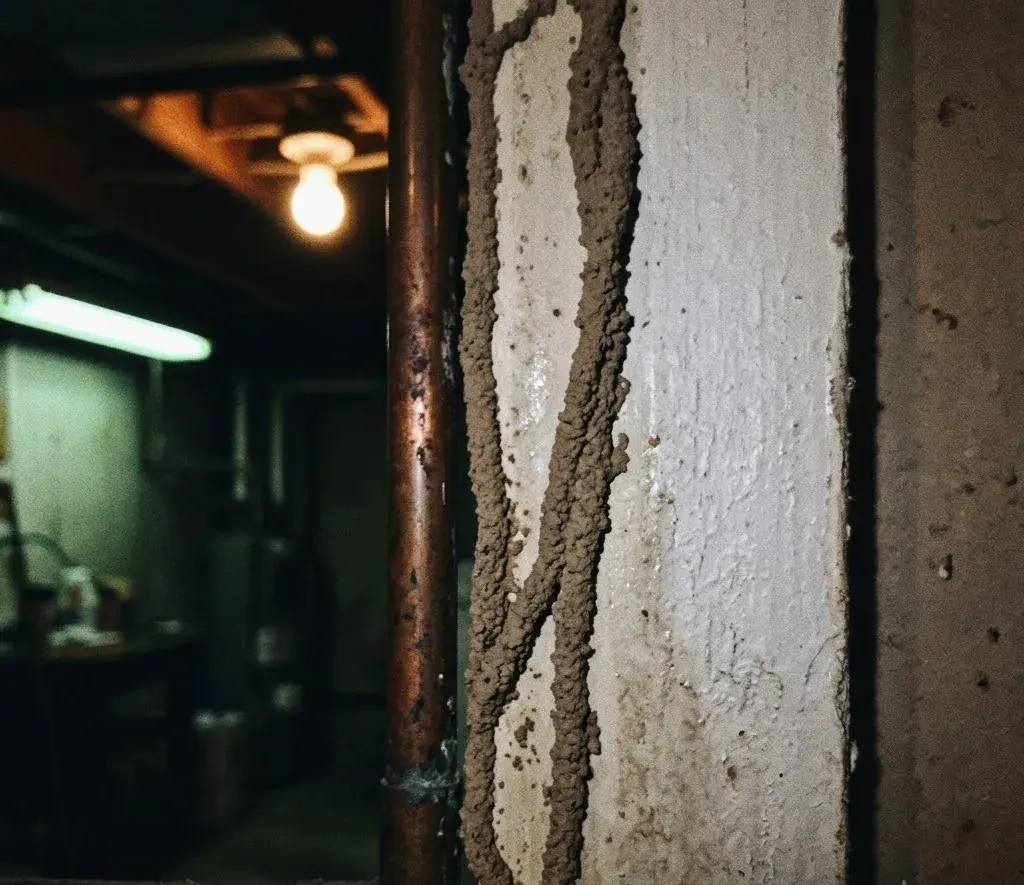
Signs of Termite Damage
Hollow wood, bubbling finishes, and soft spots underfoot can be clues to termite damage. Learn what to document in High Point before arranging an inspection.
Read article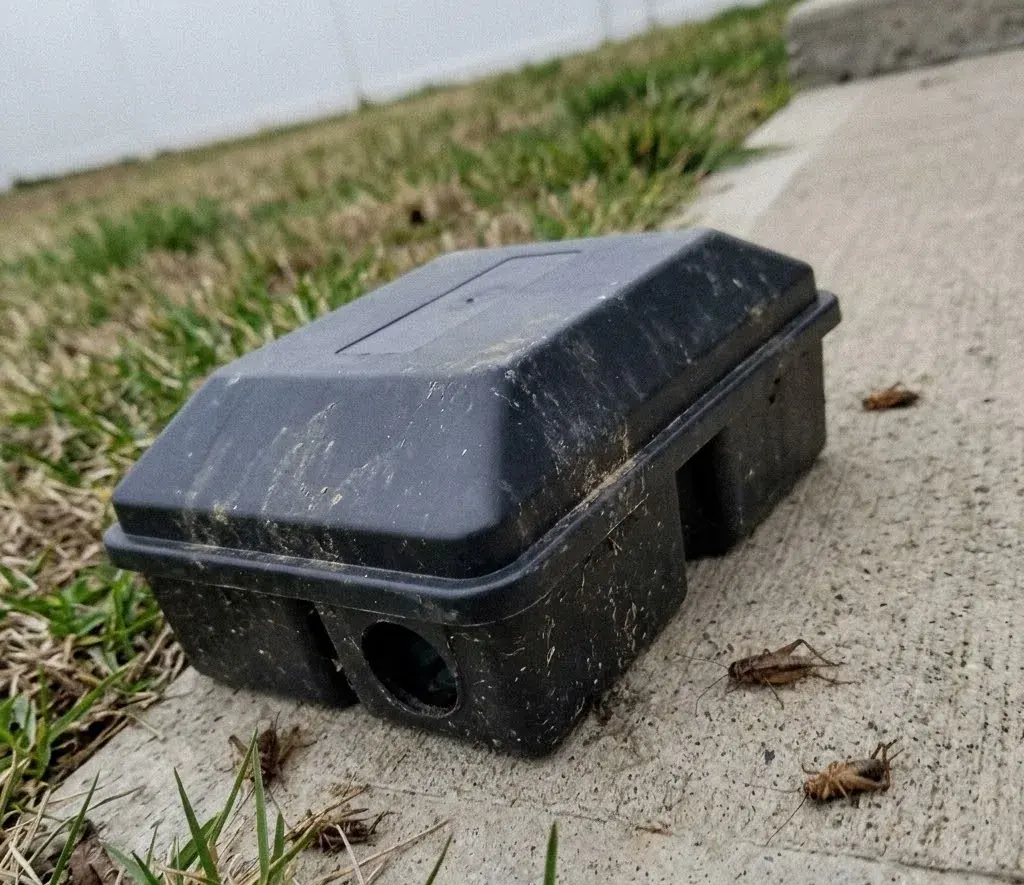
In-ground bait station placement shaped by property access and site conditions
In High Point, a homeowner may see mud near a foundation, discarded wings by a window, or no obvious sign at all. Those clues can prompt an inspection, but they do not establish that termites are active or show where a bait system belongs. The pros we connect you with can assess accessible areas and conditions around the structure before proposing station locations. A lot near the High Point Museum and another near Old Mill may have different access, landscaping, and ground conditions, so placement is property specific.
For termite bait installation in High Point, the pro first reviews the inspection findings, foundation access, paved areas, landscaping, and places where soil stations can be reached later. That layout affects the amount of digging and time on site; blocked perimeter sections or hard surfaces may call for a different plan. The pro then sets stations in the ground at planned points and fits the bait components according to product directions. Ask for the proposed layout, monitoring needs, and written scope before work begins.
Termite activity may continue out of sight within wood, so an intact surface can hide damage and may not reveal whether a structure has been affected.
For a house, start with residential termite control; owners managing rental buildings or business properties can use commercial termite control to find termite control suited to those settings.
A station plan follows the structure’s accessible perimeter, with locations selected to let a pro reach and service each unit. A porch, paved walk, dense planting, or utility line can interrupt a straight route. On a High Point property, the installer should note those obstacles rather than burying stations where they cannot be found or reached. The owner can ask for a simple placement sketch and clarification of any areas the plan cannot cover.
Soil moisture and nearby wood can affect where stations make sense, but neither alone confirms termite activity. A pro considers the inspection findings and the ground around the foundation, then chooses accessible points consistent with the system’s directions. If the ground is soft after rain, the installer may need to take care that each station sits securely and remains identifiable. For a small shop in High Point, paved loading or entry areas can also shape the layout.
The installation involves placing station housings in the ground at planned points and fitting the specified bait components as directed by the product label. The stations should remain visible enough to locate and accessible for service. Do not move or open one after installation without first checking with the provider; disturbance can complicate later assessment. A homeowner near Deep River can ask which locations were installed and how the plan accounts for any gaps around the building.
The pro reviews inspection findings and accessible perimeter areas, noting signs, damage, and conditions that may affect station placement.
The pro maps reachable ground locations and accounts for paving, planting, utilities, and other obstacles before setting the layout.
Station housings go into the planned ground locations; bait components are fitted and used according to product directions.
The owner reviews the installed locations and written agreement, including monitoring, access needs, and any uncovered sections.
A bait layout has to fit the building and the ground around it. Soil contact, moisture, paving, planting beds, and access all affect where stations can be placed and reached later. On a High Point house or small commercial building, a gap in accessible perimeter coverage may matter when the plan is reviewed. The owner should understand what the stations target, where they sit, and what monitoring the agreement includes before installation starts.
North Carolina requires a written agreement for wood-destroying-organism control or prevention in existing structures. Before termite bait installation, the owner should review what areas and station locations are included, what monitoring is part of the arrangement, and what follow-up treatment would require a separate agreement. The owner can also ask how access to stations will be handled and what to do if one is disturbed.
Termite products must be used according to their labels and applicable directions. The pros we connect you with should explain how the proposed stations will be placed and what access is needed to service them. Keep the written scope with the inspection findings, and ask the provider to record any perimeter areas the installation could not reach. That record helps the owner understand the limits of the layout at a High Point property and what conditions may need attention.
Near The Big Chair, access and inspection findings may change the proposed Termite Bait System Installation work; ask the pros we connect you with to list treatment areas and charges.
| Service Details | Treatment Coverage | Price Drivers |
|---|---|---|
| Initial Assessment | Area-specific evaluation and one treatment approach supported by findings | an estimated $1,100–$2,800 |
| Localized Control | Evaluation and treatment of the limited area named in the quote | an estimated $1,265–$3,640 |
| Property-Wide Control | Inspection results and a single treatment approach for the affected area | an estimated $1,100–$2,800 |
| Control & Repairs | Assessment of the reported area and one treatment method, as scoped | an estimated $2,640–$11,200 |
An estimate can change when the scope adds monitoring, follow-up visits, or work in hard-to-reach areas; a longer-lasting treatment option may also affect the total. Check the written proposal for each item, then consult the full pricing guide to see how those choices shape termite-control costs.
A pro inspects accessible areas, reviews the structure’s perimeter, and marks locations where stations can be placed and later reached. Paving, planting, utilities, and other obstacles may change the spacing or leave sections that need a different plan. In High Point, the owner can ask for the proposed layout in writing, including any areas that cannot be covered by in-ground stations.
The pro places station housings in prepared spots around accessible parts of the structure, then fits the specified bait components according to product directions. The number and position depend on the inspection and site layout, so there is no single pattern for every High Point property. Ask the installer to identify each location and explain what should remain clear for service.
Installation time depends on the length of accessible perimeter, ground conditions, and obstacles such as paving or dense landscaping. A straightforward layout may take less site work than one with blocked sections or difficult digging. The pro can estimate timing after reviewing the property in High Point and should explain what could change the schedule before work begins.
The cost depends on the station layout, access to the perimeter, ground conditions, and what the written agreement includes. Ask whether the proposal covers the initial installation, monitoring, and any follow-up work, since these can be scoped differently. For a High Point property, a site review gives the pro a basis for explaining the work and its cost without relying on a generic estimate.
Yes. Paving, steps, planting beds, utility features, and other obstructions can limit where in-ground stations fit or how easily they can be reached. The pro should identify those sections during planning and explain whether the layout can address them. In High Point, ask that any uncovered area and the proposed way to handle it appear in the written scope.
Station placement is only part of a bait system; the plan also needs periodic monitoring to check stations and assess activity. The written agreement should say what monitoring is included and how follow-up is handled. Ask the provider how the stations will stay accessible at your High Point property and what to do if landscaping or other work could disturb them.
A termite bait system installation estimate at $1,100–$2,800 for this work reflects the conditions seen during inspection and the work proposed. The pros we connect you with can clarify what is included and confirm the price.
See which termite signs raise concern and how an inspection separates clues from confirmed activity.
Hollow wood, bubbling finishes, and soft spots underfoot can be clues to termite damage. Learn what to document in High Point before arranging an inspection.
Read article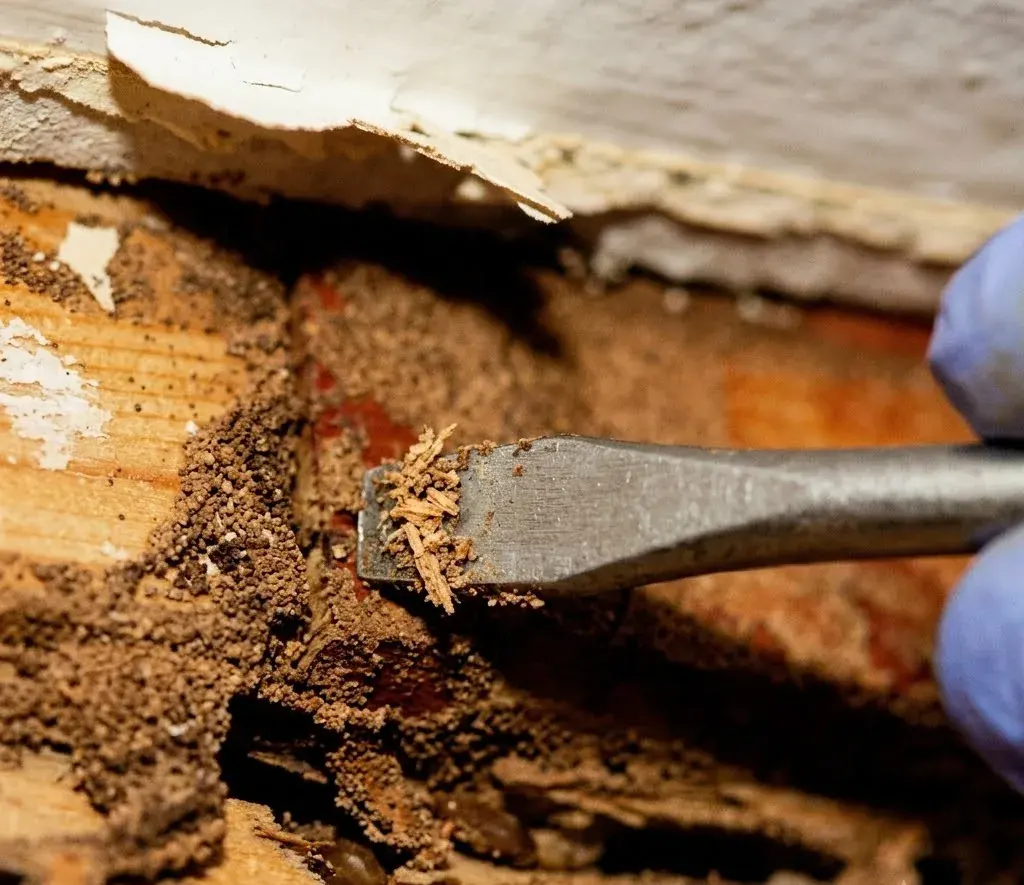
Pellets or dust alone do not confirm termites. Learn what termite frass can look like, what to photograph, and how to keep a sample from a High Point home near High Point Museum or business along US Highway 158.
Read article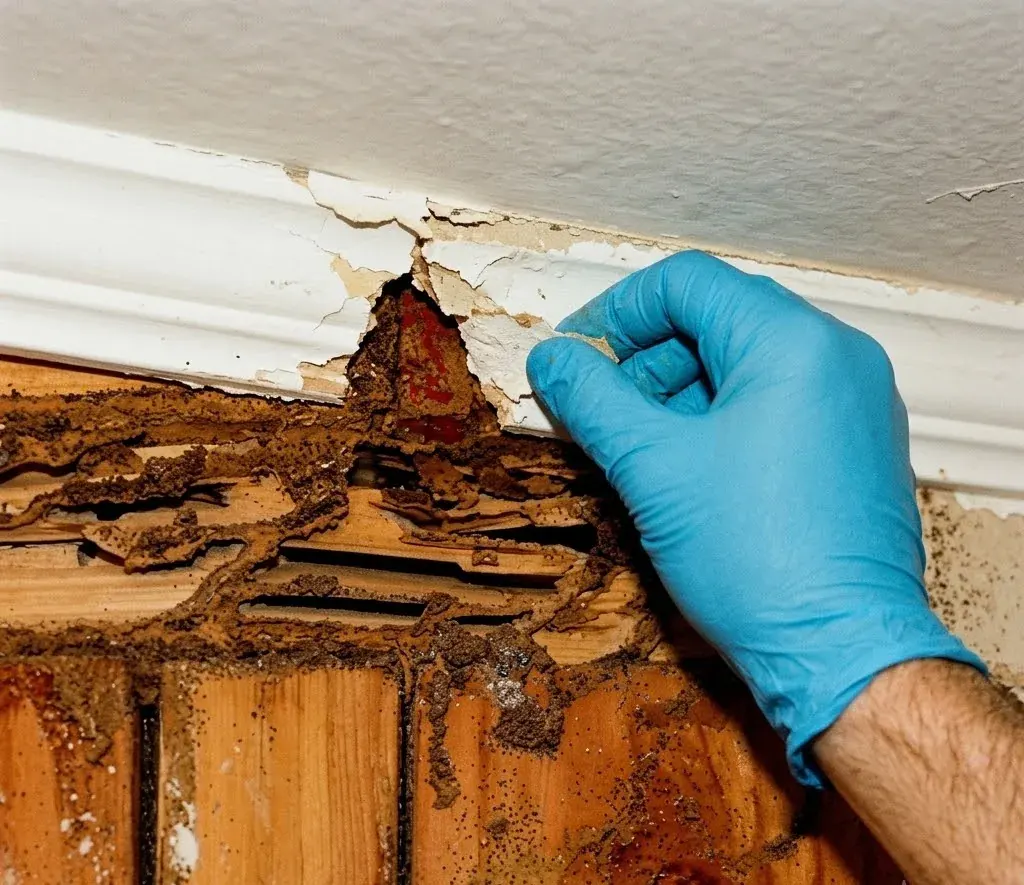
Mud tubes on a foundation can signal subterranean termite activity, but they do not confirm it. Learn why to leave them intact, what to photograph, and what inspection can clarify.
Read articleFor a property in High Point, describe the location of any tubes, discarded wings, or damaged wood and ask whether an inspection can assess them. The pros we connect you with can clarify availability, what the visit covers, and any charge for the inspection. Request written findings and a scope that identifies the treatment areas and method. Ask whether bait station monitoring, later visits, or retreatment are included or handled under separate terms. If the property is near Highway 64, share the address when confirming whether service reaches it.
Call (336) 360-9719