Wood That Sounds or Feels Weak
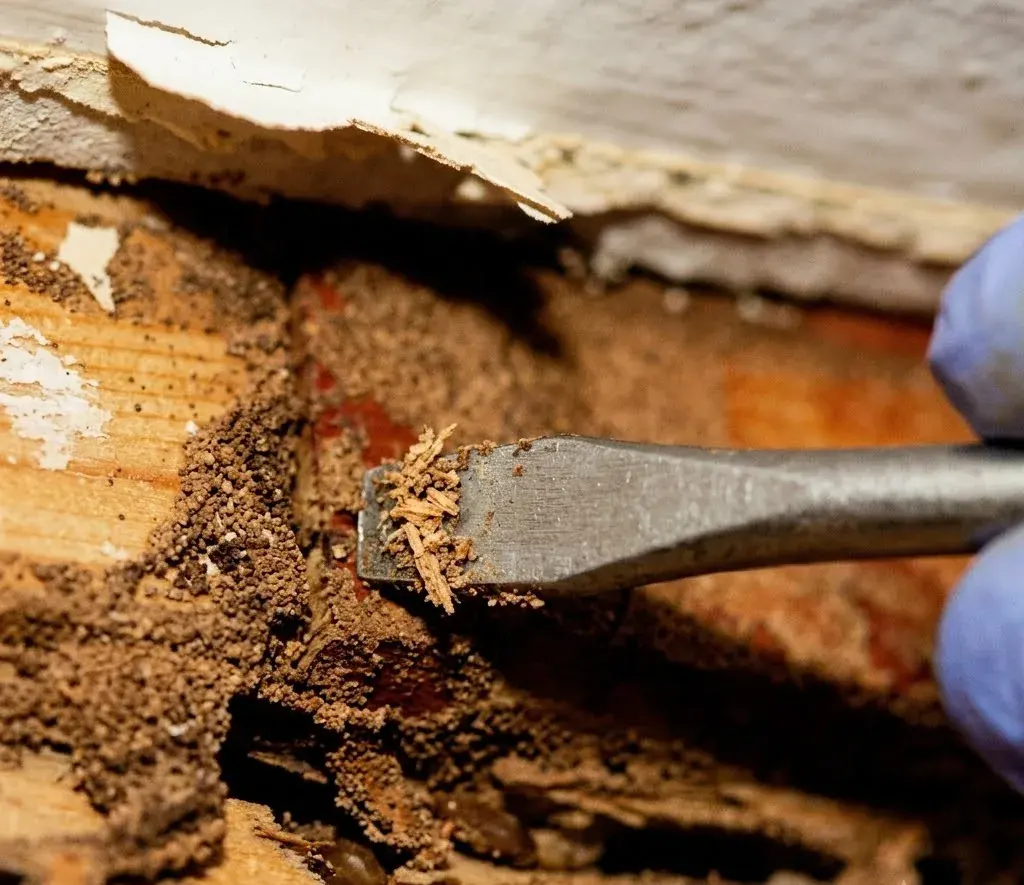
Stop before scraping, prying, or cutting into suspicious wood. A hollow sound under a gentle tap, a surface that dents more easily than nearby wood, or a piece that feels weak can be termite damage signs. Those clues are not proof by themselves; moisture and other problems can change wood, too. In High Point, note the room and the exact spot, then take a clear photo. Leave the area undisturbed until it can be checked.
Look for wood that seems thin, blistered, or uneven where its outer face should be solid. A painted board may hide changes underneath, so a neat-looking surface does not rule out damage. In a High Point home, compare a suspect sill, frame, or exposed beam with a similar nearby piece without pressing hard. Record what looks or feels different and when it was first noticed; avoid pulling trim away to see behind it.
Changes Across Walls and Finishes
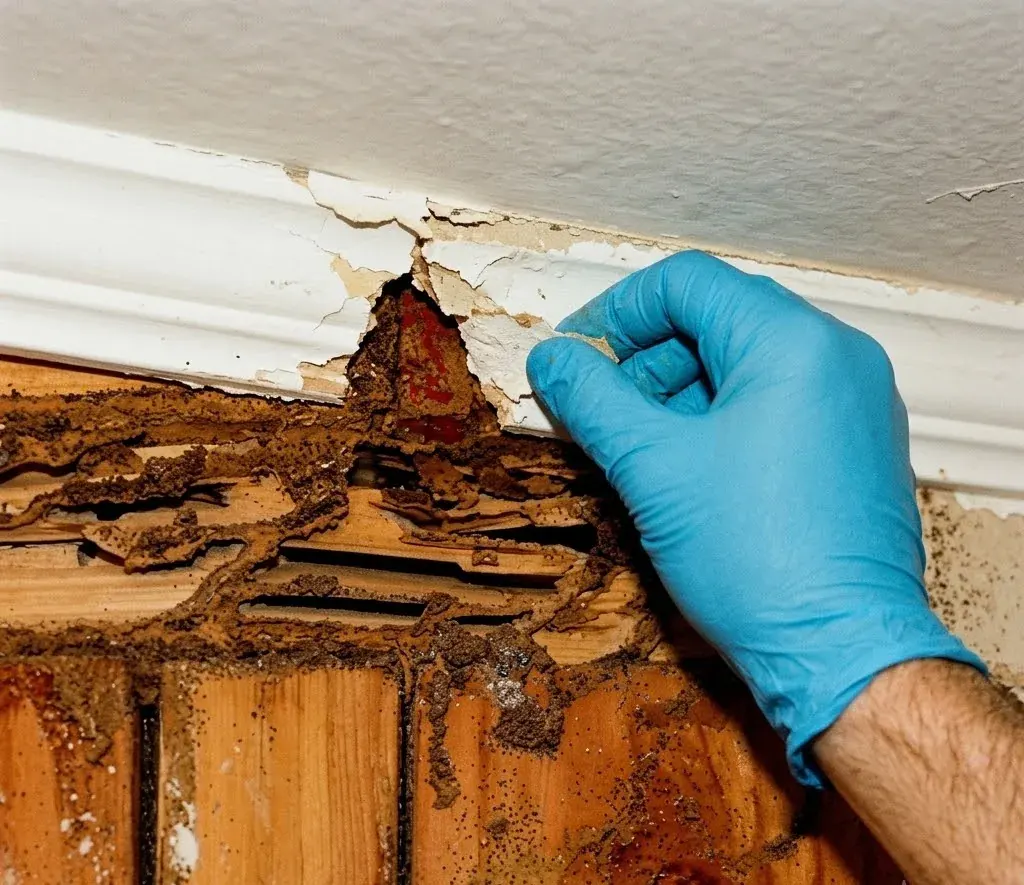
On a wall, paint or wallpaper that bubbles, ripples, or lifts in one patch deserves attention, especially when the surface feels soft. Termite damage in walls may affect the material beneath the finish, while a stain or raised paint can also have another cause. A homeowner in High Point can photograph the whole wall and a close view, noting whether the change is near a wooden frame or baseboard. Do not cover the spot before it is assessed.
Interior doors or window trim that suddenly seem out of line can draw attention to a changed wall edge, but shifting materials and moisture may produce similar symptoms. Check for a new gap, a swollen-looking section, or paint separating from the wood; do not force a sticking door or window. At a small commercial property in High Point, note which opening is affected and whether nearby finishes have changed as well. The pattern helps an inspector decide what to examine.
Floor and Trim Clues
A floor that feels springy, dips underfoot, or sounds different at one spot may have a weakened wood component below it. That sensation can also come from other structural or moisture issues, so it cannot identify termites on its own. In a High Point house, mark the area from a safe standing position and note whether the change is near a wall, stair edge, or doorway. Keep people off any section that feels unsafe and arrange an inspection.
Baseboards, door casing, and other wood trim can show small dents, flaking finish, or sections that sound hollow when lightly tapped. A single mark may be ordinary wear, but several unusual changes grouped together are useful details to report. In High Point, compare the affected trim with an untouched section of the same type and photograph both. Avoid removing the board or filling gaps; that can obscure what an inspector needs to see.
What a Visual Check Can Miss
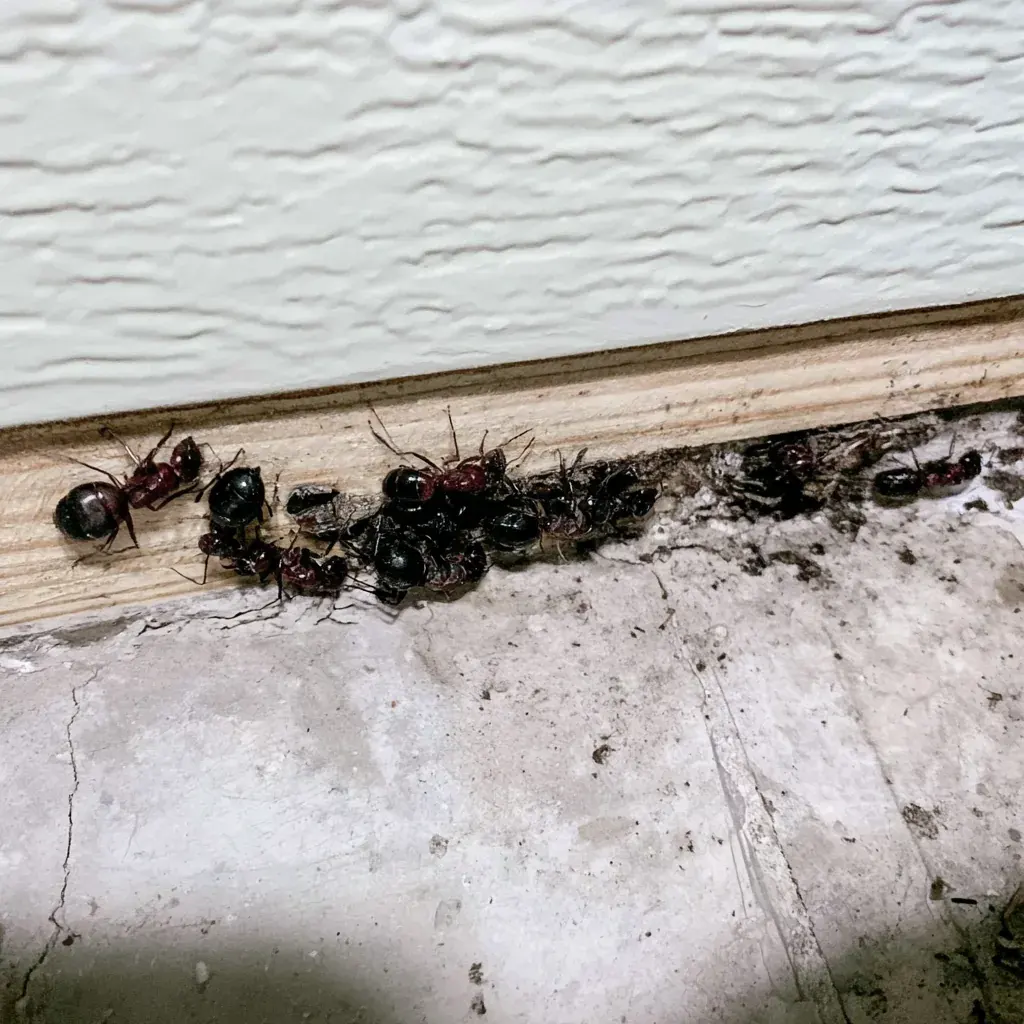
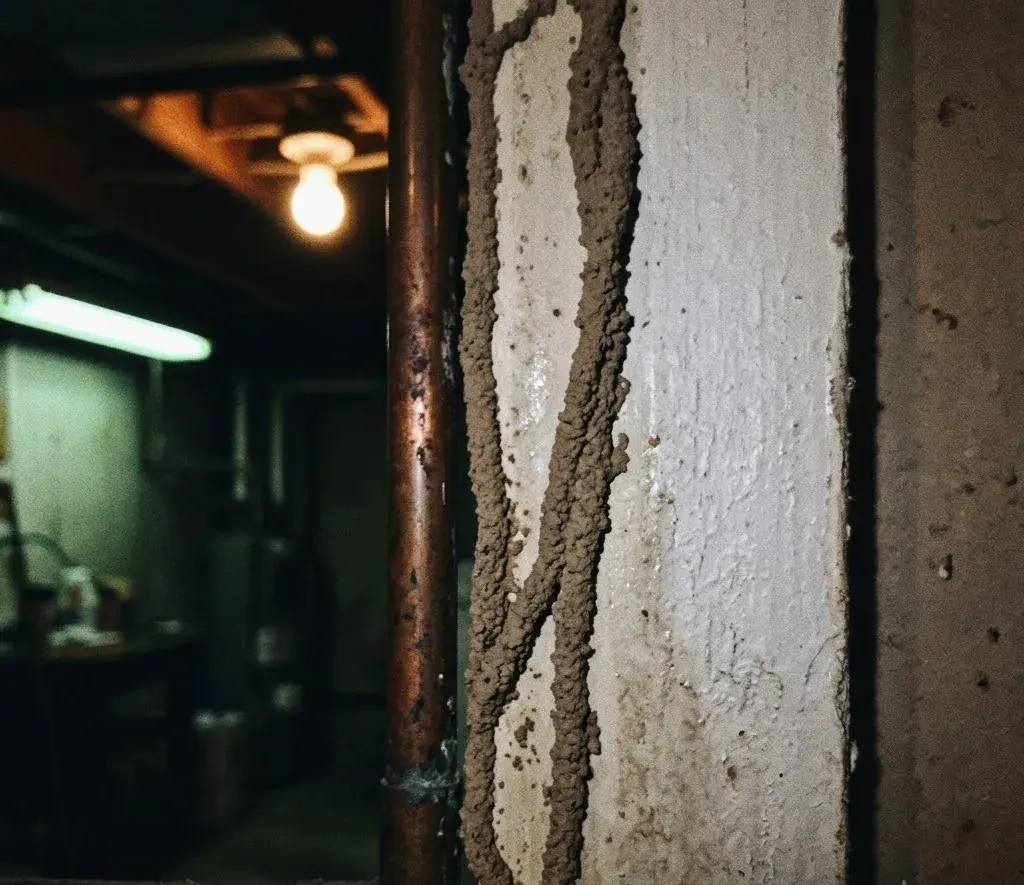
A surface check has limits: paint, flooring, and wall coverings can conceal what lies beneath, and a visible defect may have more than one cause. A person cannot judge the full condition of a beam or floor support from its finish alone. The licensed pros we connect you with can also look for mud tubes or discarded wings on exposed surfaces. In High Point, ask that the findings identify which areas were observed and which could not be evaluated.
Before an inspection, keep the area clear, save dated photos, and write down what changed and where. Do not patch, sand, or replace the suspect material first; preserving the evidence makes it easier to assess. When arranging a visit in High Point, give the address and a useful route reference, such as US Highway 158, Stone Park, or High Point Museum. Share those notes with the pros we connect you with so they can locate the concern.
Dealing with termite signs at your home?
Termite concerns can call for an inspection, treatment, or both; the right next step depends on the property and what the inspection finds. A homeowner or small business contact should ask what areas will be checked, what conditions may support activity, and which options fit the findings. For a home near the High Point Museum, a Greensboro College property, or a business in Greensboro, confirm whether the pros we connect you with serve that address, when a visit may be arranged, and whether a visit charge applies. Review written findings before deciding on follow-up.