Why Termites Build Mud Tubes
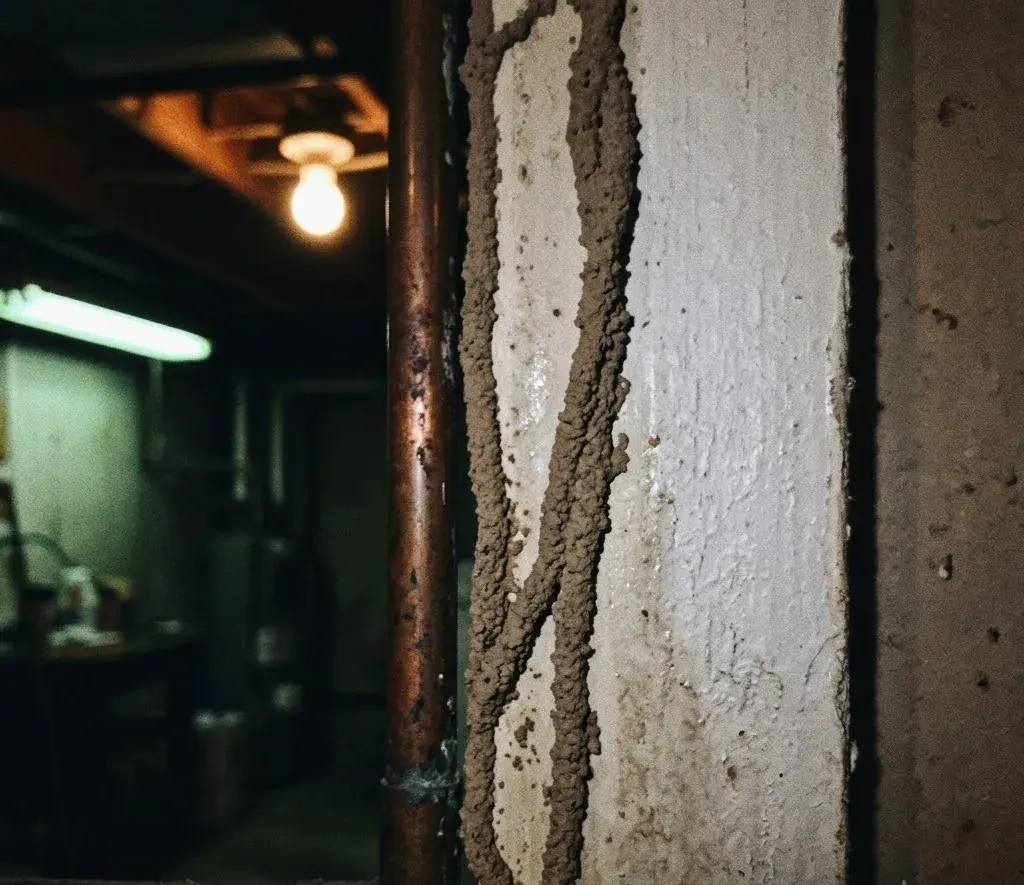
A raised, earthen line on concrete can catch the eye. Termite mud tubes are covered paths subterranean termites build between soil and wood, often where a foundation meets a sill or another wood edge. The tube helps them travel while staying connected to the soil where they nest. In High Point, a homeowner who spots one should leave it in place, note its position, and arrange an inspection. Breaking it open or scraping it away can remove useful evidence before the pros we connect you with can assess it.
The tube may look like a thin ridge of dried mud, a wider rough strip, or a small branch climbing concrete. At a home near High Point Museum, for example, its shape alone would not reveal what lies behind the surface or whether termites are still present. Check from a safe, accessible position and take a clear photograph that shows both the tube and nearby foundation. Do not probe, spray, or pull at it; an undisturbed sign gives an inspector more context to evaluate.
What a Foundation Tube Can Confirm
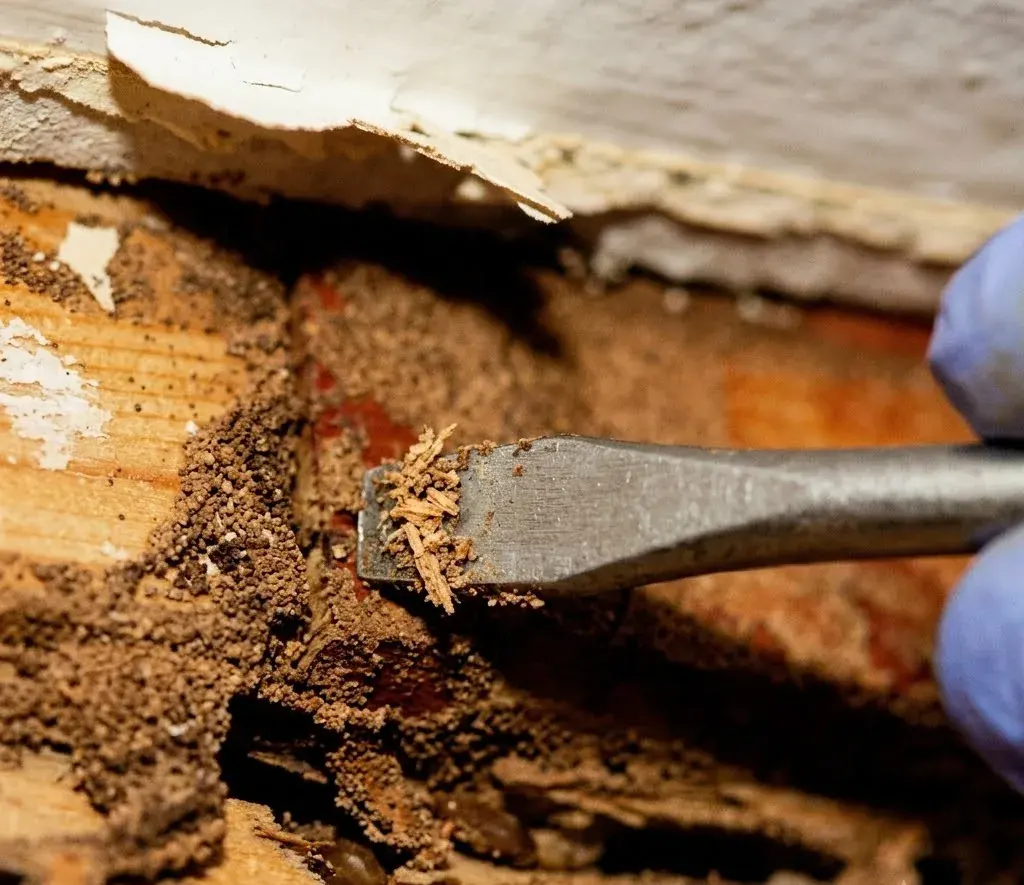
A tube is a clue about a possible route from soil to wood, not a verdict on the whole building. Subterranean termites typically live in soil and can reach a structure through concealed wood-to-soil contact. Other termite types can live within wood without soil contact, so the presence or absence of a foundation tube cannot settle every termite question. In High Point, an inspection helps assess what the visible sign means at that property and whether further evaluation is needed.
Do not break a tube to see whether it is occupied. The opening may change what can be observed, and household sprays or improvised treatments can complicate an assessment. A homeowner on a property along US Highway 158 can simply record the date and exact spot, then share those details when arranging an inspection. Keep the area accessible if practical. If the tube has already been disturbed, describe what was changed and when; that information still helps the pros we connect you with plan their review.
Where Tubes Appear and What to Record
Look for tubes where concrete and soil meet, around a foundation joint, or near wood that touches the ground. Some run vertically; others follow a seam or cross a short exposed stretch. These are possible locations, not a checklist every High Point property will match. Moisture near wood or wood contacting soil can favor termite activity, so note those visible conditions too. Do not move stored items or enter a tight, unsafe space just to trace the tube farther.
A useful record is simple: photograph the tube close enough to show its texture, then take another image that places it on the foundation. Note the side of the building and nearby door, corner, or other easy reference. At a small commercial property near Highway 64, the owner can mark the spot on a simple sketch if several walls are involved. Keep the original photos and avoid cleaning the area before the inspection. This documentation helps the inspector find the sign without changing it.
What an Inspection Can Clarify
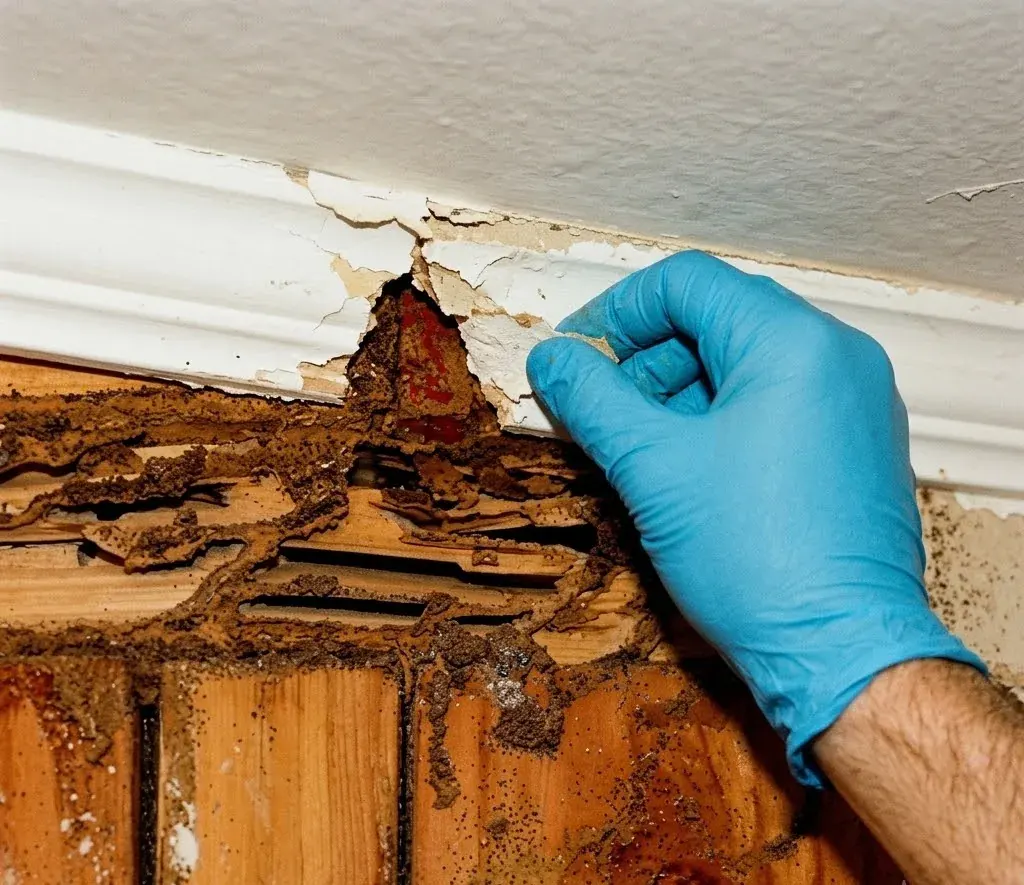
During an inspection, the pros we connect you with can assess the tube, look for other signs of activity, and check accessible areas for visible wood damage or conditions that may support termites. They can consider where the tube meets the structure and whether a possible entry route warrants closer evaluation. Findings guide what happens next; they do not turn one tube into proof about every part of a High Point home. Ask what was observed and which areas were not accessible.
Leave a mud tube intact for now. In High Point, a homeowner may spot a narrow, dirt-colored ridge climbing a foundation or crossing masonry toward wood; subterranean termites build these covered paths between soil and a food source. A tube near US Highway 158 or Highway 64 is a clue, not proof that termites are present or that damage is visible. Do not scrape it away. Photograph its shape and exact location, then arrange an inspection so the pros we connect you with can assess activity and possible entry points.
Dealing with termite signs at your home?
Termite concerns can call for an inspection, treatment, or both; the right next step depends on the property and what the inspection finds. A homeowner or small business contact should ask what areas will be checked, what conditions may support activity, and which options fit the findings. For a home near the High Point Museum, a Greensboro College property, or a business in Greensboro, confirm whether the pros we connect you with serve that address, when a visit may be arranged, and whether a visit charge applies. Review written findings before deciding on follow-up.