Service availability varies — ask the provider. · (336) 360-9719
Termites After Treatment in High Point, NC
Termite Follow-Up

When Termites Reappear in High Point Homes

Track whether swarm signs return after cleanup, since repeated observations can help guide a follow-up. A swarm can prompt a follow-up, but it does not by itself confirm renewed activity inside the structure.

WRITTEN FINDINGS

If mud tubes reappear, discarded wings collect, or damaged wood becomes visible, record where and when you noticed each sign and take photos without disturbing it. Compare those observations with the treatment paperwork; old or isolated evidence alone may not establish renewed termite activity in a High Point property.

INSPECTION FINDINGS

Reading Termite Clues Carefully

People tend to seek advice once they notice something that might point to termite activity at home.

A fresh mud tube appears along the foundation.

A new or rebuilt tube can indicate subterranean termites are using a route into the structure. A tube alone cannot confirm current activity. Photograph its location and leave it intact so the follow-up pro can assess it against the earlier treatment record.

New discarded wings collect beside a window sill.

Photograph the wings before cleanup and keep a few in a sealed container for later review. Note which room and window they came from, then ask the provider whether an inspection of nearby wood is appropriate.

Small pale pellets gather beneath a wood joint.

A changed surface can have several causes, but termites can damage wood out of sight. Avoid probing or covering the area. Photograph it and request an assessment, especially if the floor or trim feels less firm than before.

A previously sound trim board now feels soft.

Live insects warrant prompt identification because appearance alone may not establish whether they are termites. Keep a specimen or clear photo without disturbing nearby suspected activity, and contact the original provider or an independent local pro for review.

A mud tube reappears where an old one was removed.

A change at a bait station needs interpretation in light of its monitoring record; it does not by itself show that termites have entered the house. Leave the station accessible and in place, then ask the provider to check and record it.

Signs Can Appear Before Damage Is Clear

High Point has residential areas along US Highway 158 and Highway 64. Those locations do not establish a home’s termite history; moisture, wood contact, and earlier treatment details need to be checked at each property.

A home near the High Point Museum still needs an individual review: local place names do not predict termite activity. A follow-up can consider the structure, moisture around wood, and the records from its earlier treatment.

From High Point through Guilford, property owners seek information about termite treatment and inspections. Coverage depends on the address, so the pros we connect you with should verify the location before an owner relies on service availability.

What Damaged Wood Reveals

NEW EVIDENCE
A rebuilt tube or live insects deserves follow-up; a remnant alone does not confirm active termites.
SITE NOTES
Photographs with dates and locations help a pro compare current signs with earlier service notes.
TREATMENT RECORD
Written service terms explain what monitoring or follow-up work was included and any conditions.
SERVICE SCOPE
Bait stations need periodic monitoring and should remain accessible for the provider.
FOLLOW-UP
A follow-up report can record observed signs and visible damage in the areas inspected.
Warning Signs
Track whether swarm signs return after cleanup, since repeated observations can help guide a follow-up. A swarm can prompt a follow-up, but it does not by itself confirm renewed activity inside the structure.
Treatment
an estimated $75–$250

Inspection for Similar Insects

Old mud tubes can remain after termite activity has stopped, so a tube seen after treatment may be mistaken for renewed activity. Its presence alone cannot settle the question; have it assessed in place. Look for fresh, intact construction or live insects, but do not use appearance alone to decide whether a tube is active. A pro can inspect it and nearby areas without relying on the tube’s age as proof.

What Happens During Product Application

The pro reviews the prior agreement and service notes, then compares them with the owner’s dated photos and current observations. The assessment checks whether the evidence suggests renewed activity or an isolated remnant, and documents areas that need closer evaluation.

After the findings are explained, the pro outlines any recommended follow-up work for the property and the original treatment method. That may involve servicing monitored bait stations or applying a labeled treatment suited to the findings; the written scope should state what work and monitoring are included.

Some plans call for a defined treatment and then end. Others include ongoing checks because stations need monitoring or the inspection identifies a reason to follow activity. Before agreeing, get the scope in writing: what happens at the first visit, what repeats, and when the plan can stop.

INITIAL TERMITE ASSESSMENT AND REPEATED ACTIVITY REVIEW
Treatment Option Choosing an Approach
A narrow concern raised at first inspectionInspection before treatment
Fresh activity following earlier termite workWritten scope review
Possible signs across multiple areasService finished; follow-up plan discussed

Safe Steps Before a Termite Inspection

Safely photograph signs, note dates and locations, and gather treatment papers. Keep children and pets away from suspected activity. Do not scrape tubes, open wood, apply pesticide, or move bait stations; leave product use and station service to the provider following label directions.

Safe Steps Before an Inspection

Termite activity is mainly a concern because feeding can weaken wood, including parts hidden behind a finished surface. A sound-looking wall does not show what may be inside. Keep people from disturbing suspected activity and have affected areas assessed; if a floor or wood member seems weak, avoid loading it until a qualified pro evaluates it.

What shapes termite treatment costs?

Have the property inspected, then request a written estimate based on the findings, treatment approach, and work included in the proposed scope.The guide range describes typical treatment work; inspection findings may call for a different scope, and monitoring, follow-up visits, or wood repairs may be separate. For a High Point home, ask how the findings and included work affect the quote. Mention any signs noticed near High Point Museum, and confirm visit charges and the written scope with the pros we connect you with.The pricing guide explains cost factors and bands, while the Termite Inspection page outlines termite inspection, treatment, and monitoring options.
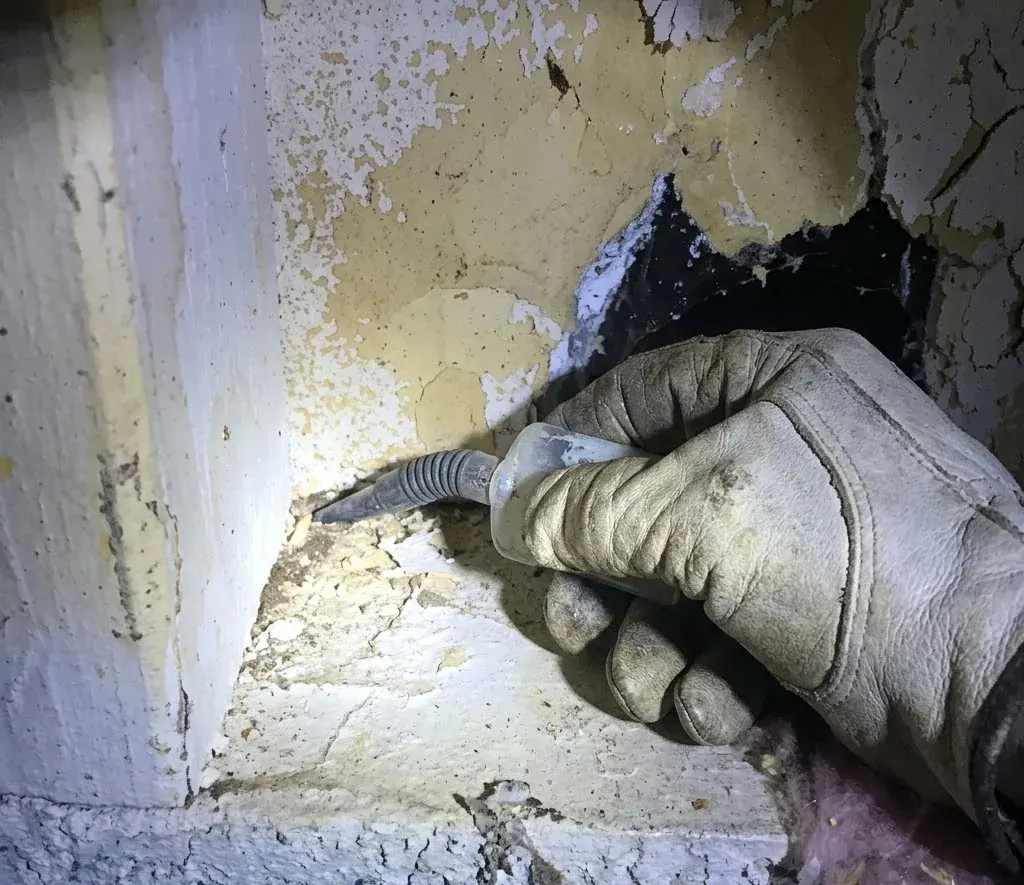
TREATMENT OPTIONS

Subterranean and Drywood Termites

Common Questions

Termite Answers

What should I do when termites appear after treatment?

Pause before scraping, spraying, or sealing the spot. Photograph what appeared, note where and when you saw it, and gather the original treatment paperwork. Then ask the provider to assess the new evidence; an independent local pro can review it if the original provider is unavailable or the findings need another look. In High Point, a follow-up inspection can compare current observations with the earlier service record and identify a sensible next step.

How can I tell renewed termite activity from old signs?

A rebuilt mud tube or live termites are stronger reasons to request a prompt follow-up than an old, dry tube by itself. Discarded wings can mark a swarm, but do not prove termites are active in the structure. Leave the evidence in place, take a photo, and note whether it changes. A pro can compare what is visible with the prior treatment record before deciding whether more work is warranted.

Which treatment records should I check before follow-up?

Find the written agreement, treatment description, inspection report, and any follow-up notes. Check what areas were treated, whether monitoring is included, and what the agreement says about follow-up treatment and its conditions. Compare the inspection report with later observations to see whether the same areas are involved. Ask the provider to explain any unclear terms; the paperwork can guide the review without proving that new signs are covered.

When should I ask another pro to assess the signs?

Request a second assessment if the original provider cannot explain the new evidence, the paperwork is unclear, or the signs keep appearing. Share the treatment documents and dated photos with the independent local pro, and ask for written findings describing observed activity and any visible damage. In High Point, the owner can use that report to discuss next steps with the original provider or compare the proposed work.

Arrange Termite Care

Ready to address termite activity?

Contact the pros we connect you with to arrange a visit and explain what needs attention. Before you schedule, confirm the inspection charge. Point out any related areas or materials that may help explain the concern.

Call (336) 360-9719
Check appointment timing, visit fees, availability, and written work details
Call (336) 360-9719 Schedule Online