Termite Warning Signs in High Point
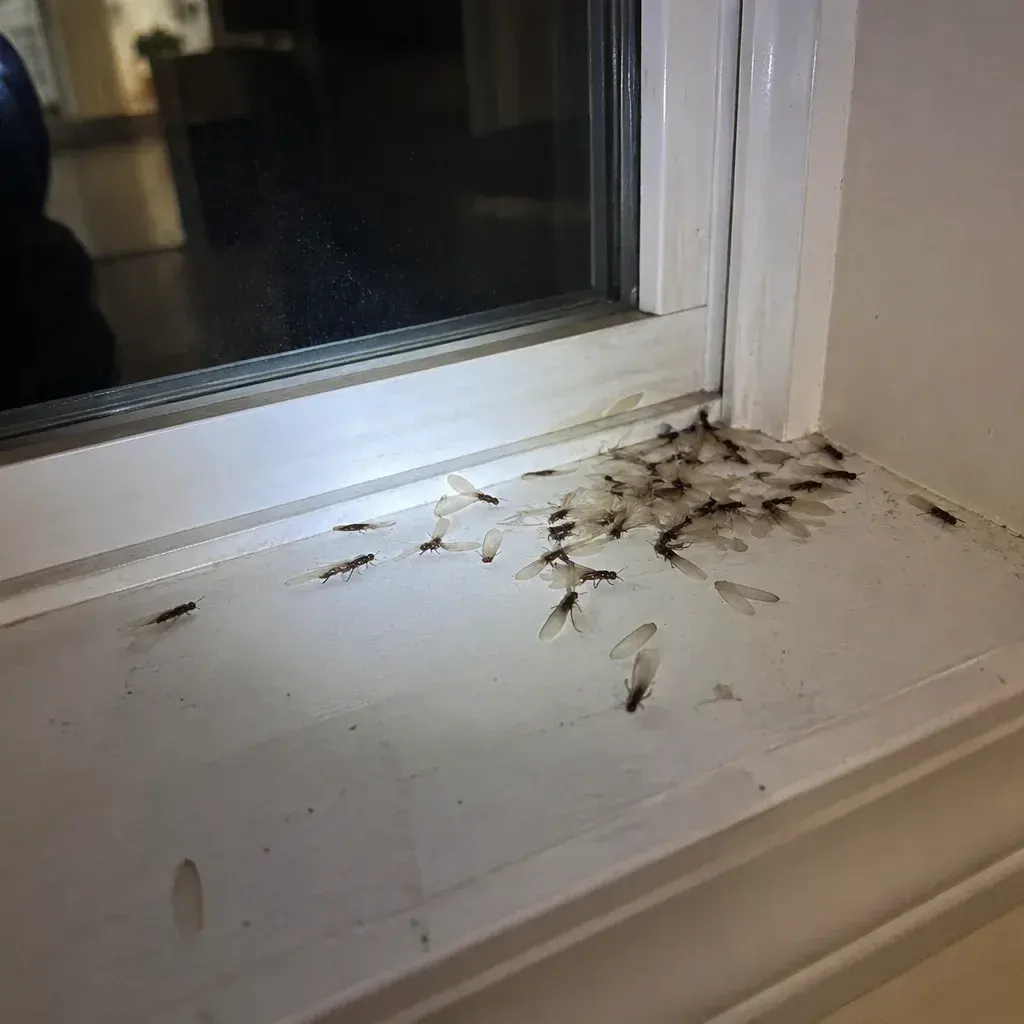
Termite clues call for a closer look, not an instant conclusion. In High Point, a homeowner may notice a mud tube, damaged wood, or moisture where wood meets soil. A hollow sound in wood can also be a reason to look more closely. Discarded wings near a window or door may be another clue to mention during an inspection. Whether a property is near the High Point Museum, Greensboro Arboretum, or Randleman City Hall, concealed wood can hide damage. Ask what was observed and what follow-up makes sense.
A homeowner may find wings, a mud tube, or wood that sounds hollow without knowing what caused it. This page connects those clues to possible termite activity and explains what an inspection can assess. When several explanations remain possible, ask the pros we connect you with to show what their findings support.
Before looking further in High Point, leave suspected tubes, wings, and damaged wood as found; disturbing them can make evidence harder to assess. Note where you saw a sign and share that detail with the pros we connect you with. A homeowner may have different areas to check than the owner of a small commercial property. An inspection can assess visible conditions in the areas reviewed. Those findings can help distinguish current activity from older damage and guide a discussion about treatment, monitoring, a written report, or repair.
Signs worth booking a termite inspection for
It may not call for urgent action, but termite concerns should not sit unattended for months.
| Signs You Saw | What Inspection Can Reveal | When to Reach a Provider | More Guidance |
|---|---|---|---|
| Termite Pinholes in Drywall The mark is a tiny, round opening in painted drywall or wallpaper, often appearing as a dark dot against a light surface. It may sit alone or in a small cluster on a wall or ceiling. The edge can look clean or slightly rough; the surrounding surface may feel flat, with no raised ridge. | Termite pinholes are tiny openings that may point to activity, but holes alone do not confirm termites. In High Point, a homeowner should note their location and leave the area undisturbed for inspection. A broader look can put each small opening in context. | If termites are active, leaving them alone can allow damage to continue in concealed wood even while the wall changes little. In High Point, arrange an inspection when you notice the holes; a home near Thomasville Passenger Depot needs the same prompt assessment. | Termite Inspection |
| Mud Spots on Drywall The marks may be small brown or tan dots, streaks, or crusty smears on painted drywall. They can sit on a wall or ceiling, alone or in a cluster, and may have an uneven, earthy surface. In High Point, an owner might describe the property using a reference such as The Big Chair or Paradise Park. | A small dried mud spot on drywall in a High Point home is a clue to investigate, not proof of termites. The spot may have come from a hidden path, so its position can help guide the inspection. Note the spot’s location and leave it undisturbed before inspection. The surface mark alone cannot show what lies behind it. | Concealed wood damage can continue out of sight if termite activity is present, and the drywall surface may not show its full extent. In High Point, arrange an inspection when spots are suspected; the findings help determine whether follow-up is needed. | Termite Inspection |
| Sunken Lines Under Wallpaper Look for narrow, shallow channels or elongated depressions that make wallpaper or painted drywall appear pressed inward. They may run vertically, curve, or branch, with edges that look raised beside a lower center. The surface can seem rippled or slightly hollow under a light touch; its color may match the surrounding finish. | A shallow groove or dip beneath wallpaper or paint can be a sign of concealed wood damage, but the surface alone cannot confirm termites. In High Point, the pros we connect you with can inspect the wall, nearby wood, and conditions that may support activity. Note the location and avoid scraping or opening it before the visit; share when it first appeared. | If activity is present, hidden wood can keep deteriorating while the finished wall changes little, and the full extent may stay out of sight. Whether a High Point address is near High Point Museum, US Highway 158, or Highway 64, the wall needs assessment; there is no reliable calendar for how quickly damage may progress. | Termite Inspection |
| Blistered Wood Surfaces On a High Point home’s trim, paneling, or other wood surface, a blister may look like a raised bubble, shallow ridge, or patch of lifted finish. The area can be lighter or darker than nearby wood, with an uneven outline. It may feel firm, soft, or slightly hollow under a light touch. A small commercial building near Greensboro Arboretum or Greensboro College may show a similar surface shape. | In High Point, a blister is a reason to look closer, not proof of termites. Wood can look raised or bubbled while damage lies beneath its surface, and appearance alone cannot confirm the cause. A homeowner should note the spot and leave it undisturbed for inspection. Termite activity may also leave mud tubes along nearby surfaces. | If termites are active beneath a High Point wood surface, damage can build gradually while activity continues; the visible blister may not show its full extent. An inspection can establish whether there is damage and what needs attention. Has anyone assessed the wood yet? | Termite Inspection |
| Darkened Wood Surfaces Darkened wood surfaces show brown, gray, or nearly black areas against lighter wood. The discoloration may form a patch or streak on exposed framing, a beam, sill, or trim. Its edges may be distinct or blurred. In High Point, the surface may feel smooth, rough, or uneven beneath a light touch. | In High Point, a darkened patch on structural wood is a clue to document, not proof of termites. Whether a home is near The Big Chair or a small commercial property near High Point Museum, note the mark’s location and ask the pros we connect you with to inspect for activity and visible damage. Avoid disturbing suspected activity before the inspection. | If termites are active, damage can continue weakening wood over time, even while a darkened surface looks much the same. In High Point, arrange an inspection if the mark spreads or the wood changes; near Old Mill, the discoloration alone cannot show how far damage extends. | Termite Inspection |
| Hollow-Sounding Wood The sound is a muted, drumlike knock where a firm tap on a wood board would otherwise ring solid. The surface may look unchanged: painted trim, a door frame, or a baseboard can keep its color and shape. The difference is heard in the dull response and sometimes felt as a less solid surface beneath a fingertip. | A dull, hollow note under a tap can point to wood damage, but sound alone cannot confirm termites. Hidden damage can weaken a board even when its outer surface looks intact. A similar sound in a Jamestown or Thomasville building also needs inspection. | Wood damage can remain hidden behind a sound surface and may worsen while it goes unnoticed. In High Point, arrange an assessment when practical; damage can accumulate over time, leaving less visible evidence of how far it extends. A hollow sound by itself does not establish an infestation. | Termite Inspection |
| Soft or Easily Punctured Wood The surface may appear intact or show a shallow dent, a small puncture, or a rough break where the wood gives way. The affected area may feel spongy or unusually yielding under light finger pressure. In a High Point house or shop, the same cues apply whether the owner knows Paradise Park or The Big Chair. | Wood that dents under light pressure or breaks through easily can be consistent with termite damage, but softness alone does not confirm termites. In High Point, note the spot and avoid probing suspected activity. Ask the pros we connect you with to inspect the wood and nearby conditions before deciding on treatment or repairs. | If softened wood is left unchecked, damage can extend beyond the spot a person can press, and the visible surface may understate what is hidden. In High Point, have it assessed while the condition is still clear, before time or repairs obscure what needs attention. | Termite Inspection |
| Sagging Floors The floor surface slopes or dips instead of lying level. A low area may show across a room or near one edge, with a visible change where flooring meets a wall or doorway. Underfoot, the spot may feel uneven or give slightly. Furniture placed over the low area may sit unevenly or rock when touched. | When termite damage weakens joists or other supporting wood, a floor may dip or feel springy; the repair question is how much support is affected. In High Point, whether in a house, a shop near High Point Museum, or a building along Highway 64, have the affected structure assessed before planning repairs. The floor surface alone may not show the full repair scope. | As damage continues, weakened supporting wood can let the floor sag further, though the extent and pace vary. As the floor sags, a nearby door may begin to rub or close less smoothly. | Ask on the call |
| Bulging Paint or Wallpaper The surface may rise in a blister, ripple, or uneven ridge. Paint can look bubbled or bowed; wallpaper may lift, wrinkle, or separate along an edge. The change can appear on an interior wall or ceiling. In High Point, the finish may feel raised, soft, or uneven beneath a light touch. | In High Point, a bulge is a clue, not proof of termites; the finish can hide how much wood is affected. A homeowner should note the spot without peeling or pressing it and tell the pros we connect you with. An inspection separates evidence of current activity from wood damage that may remain. | In High Point, leaving a damaged wall unchecked can allow concealed wood damage to continue over time. The paint or wallpaper may change gradually, but the surface cannot show how far damage extends. An inspection helps assess what is present and guide the next step. | Termite Inspection |
| Brittle Drywall The wall surface feels unusually stiff, crumbly, or weak under light touch. Its paper face may split or flake, leaving rough, uneven edges or small pale fragments; the area may show cracks, dents, or a shallow break. In High Point, the same appearance could be on a wall or ceiling, whether near the High Point Museum or US Highway 158. | In High Point, brittle drywall is a reason to pause, not proof of termites. Don’t break it open; note where it feels brittle and tell the pros we connect you with. Whether it is in a house near High Point Museum, a shop near The Big Chair, or a property along US Highway 158, an inspection can check for activity and conditions that support infestation. | If concealed damage is present, it can continue over time while the wall hides its extent. In a High Point home or storefront, leaving the brittle area unchecked may mean more damaged material to assess before repairs. Arrange an inspection when the change is noticed. | Termite Inspection |
Termite Answers
What does termite pinholes in drywall mean?
Termite pinholes are tiny openings that may point to activity, but holes alone do not confirm termites. In High Point, a homeowner should note their location and leave the area undisturbed for inspection. A broader look can put each small opening in context.
What does mud spots on drywall mean?
A small dried mud spot on drywall in a High Point home is a clue to investigate, not proof of termites. The spot may have come from a hidden path, so its position can help guide the inspection. Note the spot’s location and leave it undisturbed before inspection. The surface mark alone cannot show what lies behind it.
What does sunken lines under wallpaper mean?
A shallow groove or dip beneath wallpaper or paint can be a sign of concealed wood damage, but the surface alone cannot confirm termites. In High Point, the pros we connect you with can inspect the wall, nearby wood, and conditions that may support activity. Note the location and avoid scraping or opening it before the visit; share when it first appeared.
What does blistered wood surfaces mean?
In High Point, a blister is a reason to look closer, not proof of termites. Wood can look raised or bubbled while damage lies beneath its surface, and appearance alone cannot confirm the cause. A homeowner should note the spot and leave it undisturbed for inspection. Termite activity may also leave mud tubes along nearby surfaces.
What does darkened wood surfaces mean?
In High Point, a darkened patch on structural wood is a clue to document, not proof of termites. Whether a home is near The Big Chair or a small commercial property near High Point Museum, note the mark’s location and ask the pros we connect you with to inspect for activity and visible damage. Avoid disturbing suspected activity before the inspection.
What does hollow-Sounding wood mean?
A dull, hollow note under a tap can point to wood damage, but sound alone cannot confirm termites. Hidden damage can weaken a board even when its outer surface looks intact. A similar sound in a Jamestown or Thomasville building also needs inspection.
What does soft or easily punctured wood mean?
Wood that dents under light pressure or breaks through easily can be consistent with termite damage, but softness alone does not confirm termites. In High Point, note the spot and avoid probing suspected activity. Ask the pros we connect you with to inspect the wood and nearby conditions before deciding on treatment or repairs.
What does sagging floors mean?
When termite damage weakens joists or other supporting wood, a floor may dip or feel springy; the repair question is how much support is affected. In High Point, whether in a house, a shop near High Point Museum, or a building along Highway 64, have the affected structure assessed before planning repairs. The floor surface alone may not show the full repair scope.
What does bulging paint or wallpaper mean?
In High Point, a bulge is a clue, not proof of termites; the finish can hide how much wood is affected. A homeowner should note the spot without peeling or pressing it and tell the pros we connect you with. An inspection separates evidence of current activity from wood damage that may remain.
What does brittle drywall mean?
In High Point, brittle drywall is a reason to pause, not proof of termites. Don’t break it open; note where it feels brittle and tell the pros we connect you with. Whether it is in a house near High Point Museum, a shop near The Big Chair, or a property along US Highway 158, an inspection can check for activity and conditions that support infestation.
Have Visible Signs Assessed
A mud tube, loose wings, or wood that sounds hollow can be a reason to seek an inspection, not a diagnosis by itself. In High Point, note the exact spot and avoid disturbing suspected activity before the visit. The pros we connect you with can assess what is visible and explain whether further evaluation is needed. Ask for findings in writing, including observed damage and conditions that may support termites. If treatment is proposed, have the scope identify the method, covered areas, monitoring, and any follow-up terms.
Call (336) 360-9719