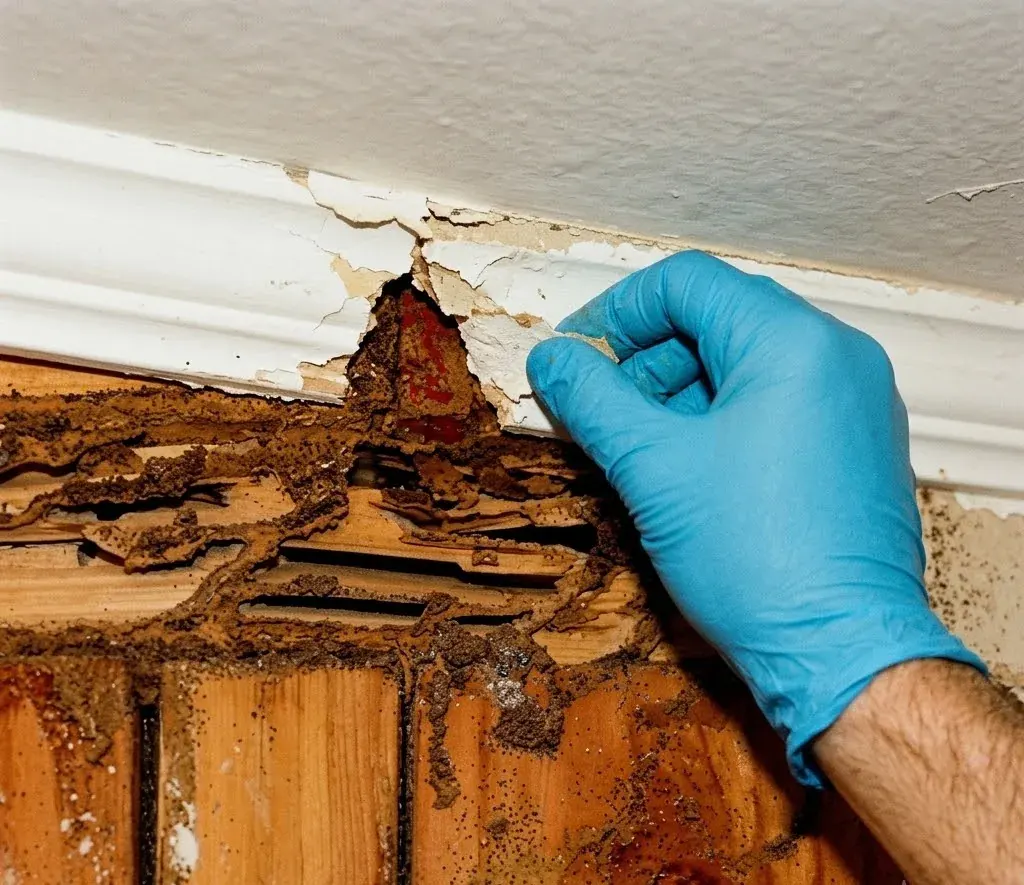
Termite Mud Tubes
Mud tubes on a foundation can signal subterranean termite activity, but they do not confirm it. Learn why to leave them intact, what to photograph, and what inspection can clarify.
Read article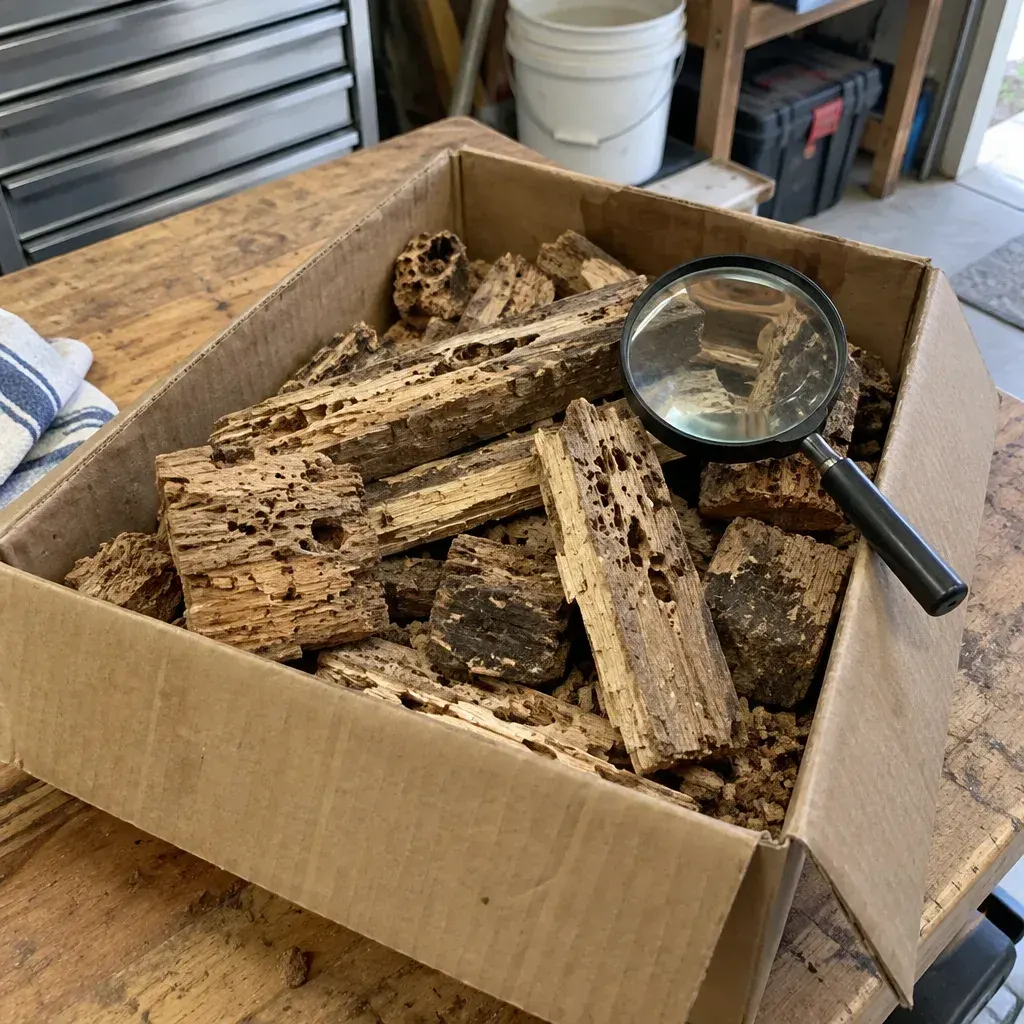
See how inspection findings guide liquid soil treatment around a structure.
After rain, damp soil can linger beside a High Point foundation, while a small mud tube or discarded wings may catch an owner’s eye. Those signs call for an inspection, not a guess about what is happening behind the siding. Subterranean termites live in soil and can reach wood through concealed contact with the ground. A home near High Point Museum or Volunteer Park still needs its own assessment; citywide conditions do not establish activity at a particular address.
The pros we connect you with can first inspect accessible foundation edges, wood, and moisture conditions, then explain whether a liquid termite treatment fits what they found. In High Point, steps, patios, attached features, and tight access can change how much of the perimeter is reachable and how long preparation takes. The scope and cost depend on those conditions and the product directions. Ask what areas cannot be treated and how those limits will be recorded before work begins.
In High Point, Subterranean Termite Treatment starts with an inspection of activity, damage, and conducive conditions; the findings guide treatment for each home or small business across Colfax, Jamestown and Browns Summit before work begins.
Choose residential termite control for termite control at a home; owners responsible for shops, offices, or rental properties can turn to commercial termite control.
A mud tube, discarded wings, or softened wood can prompt a closer look, but none alone establishes whether termites remain active. The inspection checks accessible foundation edges, wood, and conditions such as soil contact or moisture that may support activity. In High Point, a homeowner can note the exact wall or room where a sign appeared and share it with the inspector. Leave suspected activity undisturbed until it has been assessed.
A liquid termite treatment places termiticide in soil at specified parts of the structure, creating a treated zone where subterranean termites may travel between soil and wood. The goal is to address routes of entry around the foundation; it does not make every part of a building or yard termite-proof. Visible damage and conditions that could support termites are also relevant when deciding what a treatment scope should address.
A porch slab, paved walk, utility line, or inaccessible foundation section can interrupt access to soil beside a structure. The provider should identify these areas and explain whether a permitted application method can address them or whether another control approach is more suitable. A house near Stone Park and a small commercial building elsewhere in High Point may have different access constraints. The written scope should make those limits clear rather than imply complete coverage.
The inspector checks accessible wood and foundation areas for activity, damage, and moisture or soil contact that may affect the treatment plan.
The provider maps suitable soil areas, notes access barriers such as slabs or steps, and explains the proposed coverage and limits.
The application follows the product label and written scope, treating only the specified areas that can be reached appropriately.
The owner receives a record of treated and excluded areas, plus the follow-up terms and steps for reporting new signs.
Subterranean termites can reach wood through concealed contact with soil, so a clean-looking foundation face may not show every possible route. Upkeep and prior treatment are part of a property's history and cannot be assumed from its address. High Point homes differ in foundation details, upkeep, and prior treatment; none should be assumed from the address or a nearby landmark such as Presnell Street Park. A property-specific inspection helps show where a liquid soil treatment may fit and where its coverage would stop.
In North Carolina, structural pest control businesses serving the public must meet state licensing requirements, and technicians work under a licensee. For existing structures, agreements for wood-destroying-organism control or prevention must be written. A High Point owner can ask the provider to put the proposed liquid termite treatment, treated areas, exclusions, and follow-up terms in that agreement before work starts.
A home sale may involve a wood-destroying insect report, which records observed findings in the areas inspected; it is distinct from treatment. It does not guarantee that a structure is free of termites or hidden damage. In High Point, an owner considering treatment should ask for the inspection findings and proposed work in writing, and clarify whether any visible damage needs separate evaluation or repair.
Before comparing subterranean termite treatment estimates in High Point, ask whether inspection is billed separately; findings and property conditions shape the written treatment scope.
| Work Included | Areas Addressed | Cost Factors |
|---|---|---|
| Focused Review | Focused inspection with treatment limited to the active area | an estimated $600–$1,800 |
| Targeted Treatment | Findings-led inspection with one method applied to the scoped area | an estimated $690–$2,340 |
| Full Property Care | Inspection and one selected method for the area findings support | an estimated $600–$1,800 |
| Treatment & Repair | Scoped inspection and treatment for the location described in the quote | an estimated $1,440–$7,200 |
Two estimates may cover different areas, follow-up services, or monitoring, even when the totals look comparable. Review each written scope for add-ons and any longer-lasting treatment choices before deciding. The full pricing guide can help explain why the proposed work and its cost vary.
A provider applies a labeled termiticide to suitable soil areas around parts of the structure, forming a treated zone along potential routes between soil and wood. The inspection determines which areas can be addressed and whether liquid treatment fits the observed conditions. In High Point, ask for the proposed coverage and any inaccessible sections in writing; treatment does not establish that every part of the property is protected.
No. A liquid treatment alone does not show whether termites are active at the property. The findings, structure, and access help determine whether a liquid termite treatment is appropriate. A High Point address by itself does not show that treatment is needed. Ask the inspector to explain the evidence and why the recommended method fits that property.
Concrete, attached steps, utilities, or sections with limited access can affect whether soil can be treated as proposed. The provider should inspect these areas, follow the product directions, and explain any coverage limits or alternate plan in the written scope. For a High Point property, clarify how inaccessible sections will be handled rather than assuming the treatment covers them.
Timing depends on the size and layout of the structure, how much of the perimeter is accessible, and any preparation needed around paved or attached features. An inspection can help the provider estimate the work for a particular High Point property. Ask which conditions could extend the visit and whether any additional work would be scheduled separately.
The inspection findings, treated area, foundation access, and preparation needed around features such as slabs or utilities can affect the proposed scope and cost. Conditions vary from one High Point property to another, so a general estimate may not reflect the work required. Request a written description of included areas, exclusions, and any separate charges before agreeing to treatment.
The provider should explain what was treated, note any areas left out, and tell the owner what follow-up the written agreement includes. If activity or damage is later observed, report its location so it can be assessed; do not assume the original treatment covered concealed or untreated sections. High Point owners can review the report and agreement to understand the next check or recommended action.
Before approving subterranean termite treatment, ask the pros we connect you with to review inspection findings, proposed treatment, and price. The estimate is $600–$1,800 for this work, with scope shaped by damage and property conditions.
Use inspection findings to understand what needs attention and which next steps may fit.
Mud tubes on a foundation can signal subterranean termite activity, but they do not confirm it. Learn why to leave them intact, what to photograph, and what inspection can clarify.
Read article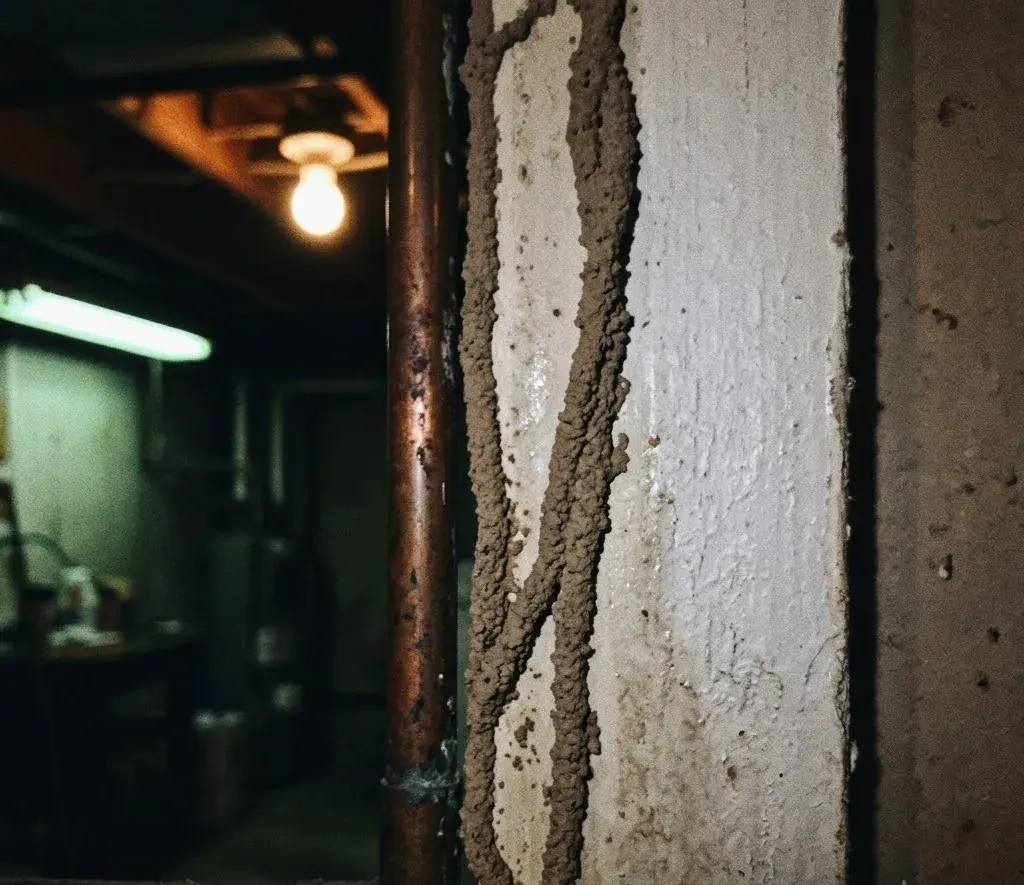
Hollow wood, bubbling finishes, and soft spots underfoot can be clues to termite damage. Learn what to document in High Point before arranging an inspection.
Read article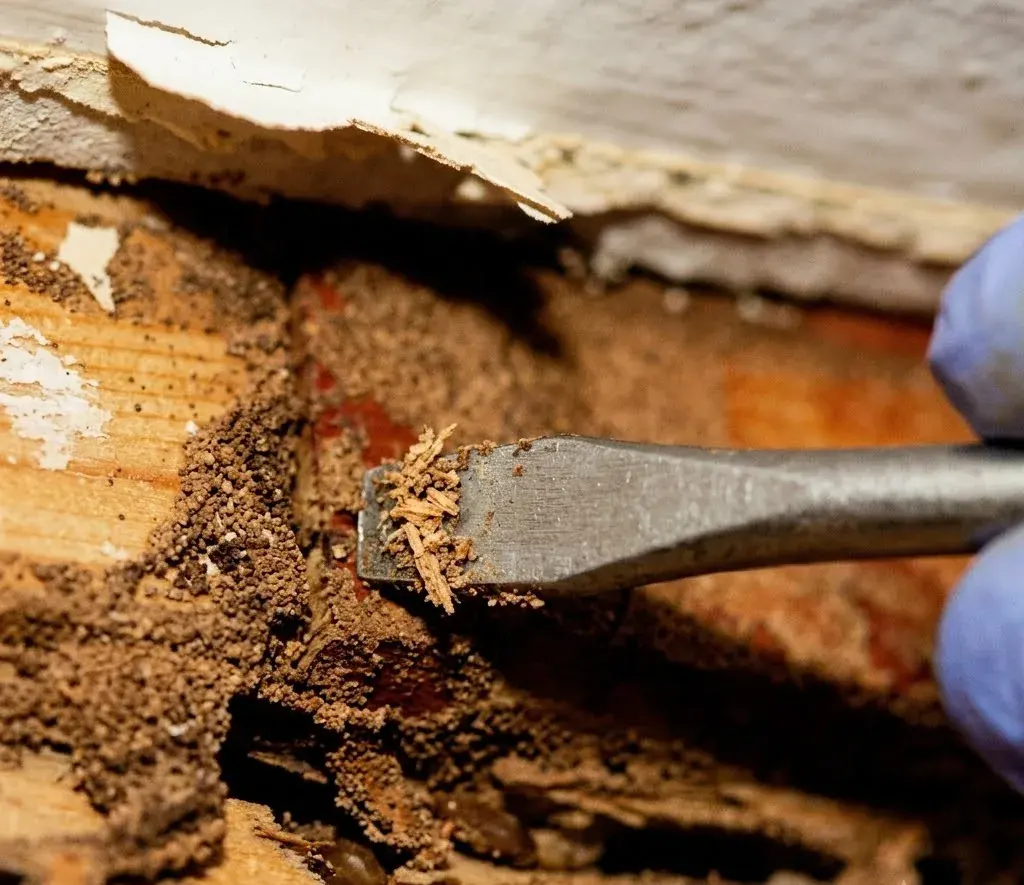
Pellets or dust alone do not confirm termites. Learn what termite frass can look like, what to photograph, and how to keep a sample from a High Point home near High Point Museum or business along US Highway 158.
Read articleFor a property in High Point, describe the location of any tubes, discarded wings, or damaged wood and ask whether an inspection can assess them. The pros we connect you with can clarify availability, what the visit covers, and any charge for the inspection. Request written findings and a scope that identifies the treatment areas and method. Ask whether bait station monitoring, later visits, or retreatment are included or handled under separate terms. If the property is near Highway 64, share the address when confirming whether service reaches it.
Call (336) 360-9719