Schools
School Termite Control
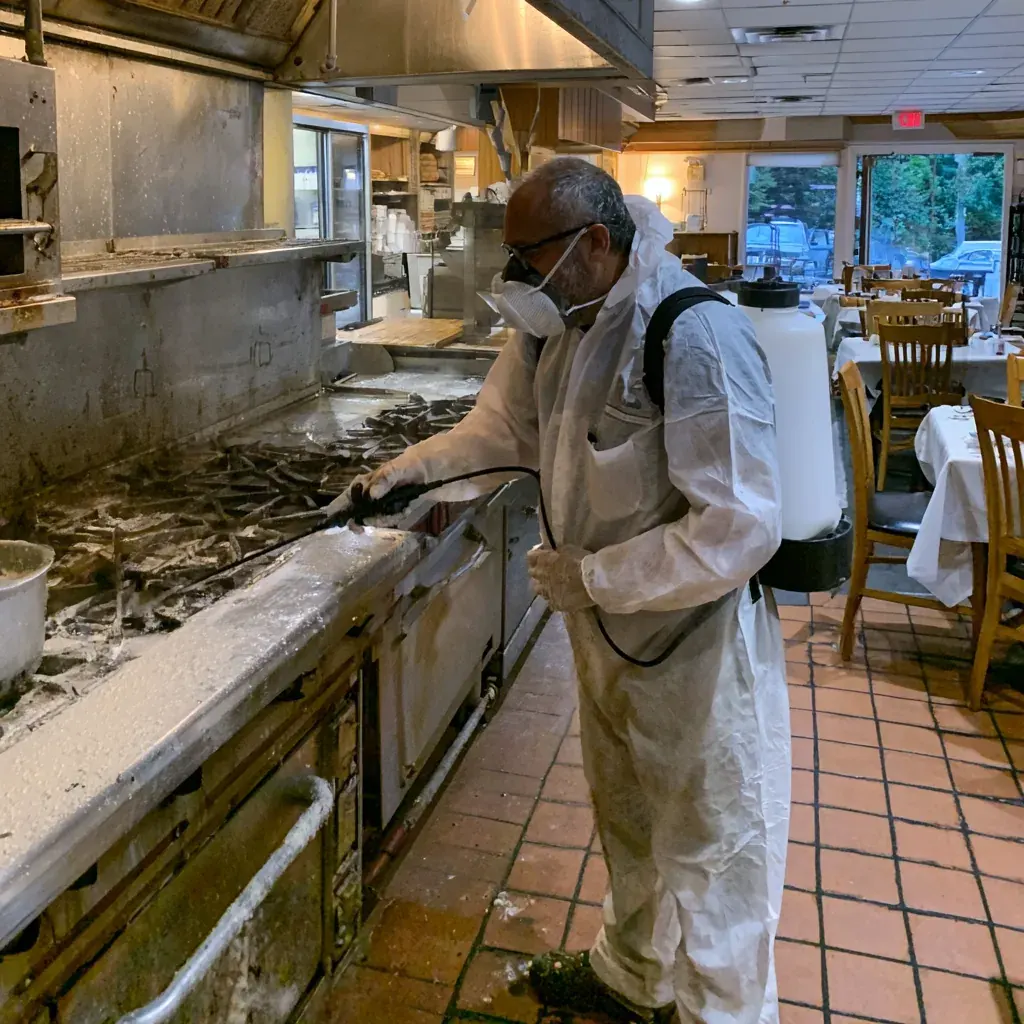
Plan restaurant termite control around site access, food service hours, written findings, and follow-up needs in High Point.
In High Point, restaurant termite control can start with recording where signs appear; commercial kitchen termites should not be assumed from one clue. Ask a qualified provider to inspect and document activity, visible damage, and supporting conditions, then base follow-up on those findings to avoid work the site does not call for.
A termite concern in a restaurant is also an operating question: where can a professional look, when can work happen, and what must be ready before staff reopen an area? In High Point, start by recording where someone noticed a tube, wings, or damaged wood, then ask a qualified termite professional to assess the site. Those signs can point to activity, but they do not confirm its extent. The goal is a clear written plan that ties findings and proposed work to the restaurant’s hours, access needs, and food service routine.
Keep suspected activity intact until it has been assessed. A manager can note the location, date noticed, and any access limits, then share those details with the provider; moving materials or cleaning away evidence may make the site harder to evaluate. This simple record can also help staff explain whether the area is used for storage, deliveries, or food preparation. For restaurant termite control in High Point, the first useful conversation is about what was observed and how the business operates.
A restaurant has different constraints from a homeowner’s living room. A commercial kitchen may have fixed equipment, food-contact surfaces, deliveries, and staff moving through narrow work areas. The professional needs to know which spaces can be reached during service and which require a planned pause. Share the restaurant’s operating requirements early, including busy periods and access rules. A restaurant near The Big Chair and one elsewhere in High Point may have different layouts, so the plan should follow the actual site.
The written findings should make the next decision easier. A termite report can record observed activity, visible damage, and conditions that may need attention, while identifying the areas that were accessible. It is a record of what was seen during the visit, not a promise that concealed spaces are clear. In High Point, the owner or facilities manager can use that record to brief kitchen leadership, maintenance staff, and anyone arranging access before proposed work begins.
Ask the provider to connect each proposed task to the findings and state what areas need to be available. A written agreement for control or prevention work in an existing structure should set out the service scope. For a restaurant, useful details include which rooms or exterior areas are included, who will coordinate entry, and how follow-up will be recorded. The pros we connect you with can discuss those needs with the site contact before dates are set.
| Work stage | Access plan | Site record |
|---|---|---|
| First access | Reach affected spaces safely | Agree on entry time and contact |
| Service window | Keep dining and prep schedules clear | Discuss after-hours termite treatment options |
| Kitchen preparation | Know what must be moved or covered | Get site-specific preparation directions beforehand |
| Delivery access | Keep receiving routes available | Set a clear arrival and staging plan |
| Work boundaries | Identify areas unavailable during service | Confirm affected rooms and expected timing |
| Site records | Track findings by restaurant location | Request dated notes for each visit |
| Station access | Keep monitoring points reachable | Assign staff to avoid moving stations |
| Return visit | Plan around prep and peak periods | Set the next access window before departure |
Timing can protect service flow. Some assessment or service work may fit before opening, after closing, or during a planned maintenance window; the right schedule depends on the work and the rooms involved. After-hours termite treatment may be an option to discuss, but the restaurant should not assume every task can happen overnight. In High Point, share opening routines, delivery windows, cleaning periods, and days when a temporary area closure would cause the least strain.
Access planning matters as much as the appointment time. Staff can identify doors, storage rooms, utility areas, and equipment that may block the professional’s route, then arrange an escort or key access with the manager. Keep the work area and route clear as agreed. A small café with one prep room has different needs from a restaurant with separate storage and service areas; the visit should account for the real layout, not a generic schedule.
If the first visit finds signs in more than one area, the provider may need to return or adjust the proposed work. Ask what would trigger a change, which spaces need another look, and how the change will be documented before committing to a new window. That avoids surprise access requests during a rush. A High Point manager can assign one contact to relay schedule changes to kitchen staff and keep the service record with other facility notes.
Before any work, ask what preparation applies to the specific rooms and proposed method. The provider should explain whether food, utensils, ingredients, or movable equipment need to be handled before the visit, and what the restaurant must do before using the area again. These directions depend on the planned service. Staff should receive them in a form they can follow, with a manager responsible for confirming the agreed preparations are complete.
Do not improvise by spraying a product or moving bait stations to fit a shift change. Termite products and monitoring devices have directions tied to their use, and stations need to stay accessible for service. Ask the professional how staff should report a disturbed station or a new sign of activity. That keeps restaurant operations from accidentally interrupting the monitoring plan and gives the provider a consistent record of changes at the site.
Treatment choices depend on what the assessment finds and on the property’s conditions. Liquid treatments create treated zones; bait systems rely on stations that need periodic monitoring. Other methods may suit a different issue or layout. For commercial kitchen termites, the restaurant should focus its discussion on where the proposed work occurs, what access it requires, and how follow-up fits the operating calendar. No method should be selected from a general description alone.
Ask for a follow-up schedule and a clear way to record each visit. If a bait system is part of the plan, stations must remain reachable so the provider can check them and assess activity; staff should not shift them without first checking with the provider. The service record can note visit dates, areas checked, findings, and any actions assigned to the restaurant. This gives a facilities manager a usable history without confusing monitoring with a guarantee.
Cost for a termite inspection can vary with the site’s size and layout, access, the areas included, and whether follow-up or monitoring is proposed. Ask for the written scope to separate assessment from any control work and future visits. If a restaurant has more than one site, keep each location’s findings and schedule distinct rather than assuming the same conditions apply across them. The operator can then compare plans based on the work each location actually needs.
A restaurant manager near Jamestown Campus or Jamestown Park may have a different service calendar from a High Point operator, but the planning questions are similar: what was observed, which areas need access, what preparation is required, and how will follow-up be recorded? Share the site’s constraints and ask the professional to set out the next steps in writing. That leaves the operator with a practical plan for addressing activity while keeping food service organized.
A treatment plan should account for how staff, deliveries, and customers move through the restaurant. A manager can mark rooms or storage areas that need access and note when those spaces are busiest. Whether a restaurant is near High Point Museum, serves traffic off Highway 64, or receives deliveries from US Highway 158, its own floor plan and service hours shape the schedule. In High Point, keep that access plan with the written findings so managers can brief staff, arrange work around food service, and track any follow-up without treating every location as identical.
Service areas vary, so check which county locations the pros we connect you with cover for termite inspections and treatment at homes and small commercial properties, includingJamestown, High Point and Browns Summit. Confirm any inspection fee before booking, then ask whether travel costs change for a property beyond the usual service area.
An office suite may need a narrower scope than a warehouse, so commercial termite work is generally priced per visit and adjusted for area and how often service is needed. Treat $75–$250 as a guide only. Findings, access, activity, treatment approach, and monitoring needs shape the written estimate.A larger High Point property or one with separate work areas can need more treatment points, stations, or follow-up, changing the quote. When calling, describe the building’s size, layout, storage areas, and observed signs; for a storefront near Greensboro Arboretum, ask about inspection charges and request the included work in writing from the pros we connect you with.For broader commercial planning, follow pricing guide for full service bands and commercial overview for scheduled termite program details.
Restaurants can reduce disruption by coordinating access and proposed work around food preparation, service, and receiving hours. Agree on which areas need to be available and when, then share that schedule with the manager on duty. In High Point, a written plan helps staff keep food operations organized while the provider carries out the agreed work.
Keep a written record for each restaurant location. Note where activity was reported, which areas were accessible, what findings were documented, and what follow-up was recommended. A consistent record helps a facilities manager compare sites without assuming they have the same conditions. In High Point, keep the notes with the location’s service schedule and provider correspondence.
Staff should avoid disturbing the area, note exactly where they noticed a concern, and report it to the manager. The manager can pass those details to the termite provider and arrange suitable access. In High Point, recording whether the sign was near storage, a service doorway, or another work area helps the provider understand the site’s operating needs.
Set follow-up visits around the restaurant’s operating calendar and make sure the provider can reach any areas or stations included in the plan. Keep the agreed visit schedule with the service records, and tell the provider if a renovation or change in access affects those locations. That gives managers a clear way to track ongoing service without interrupting food operations unexpectedly.
Set a service window, name a staff contact, and keep the agreed work and follow-up schedule with the restaurant’s records.
Call (336) 360-9719