Hotels
Hotel Termite Control
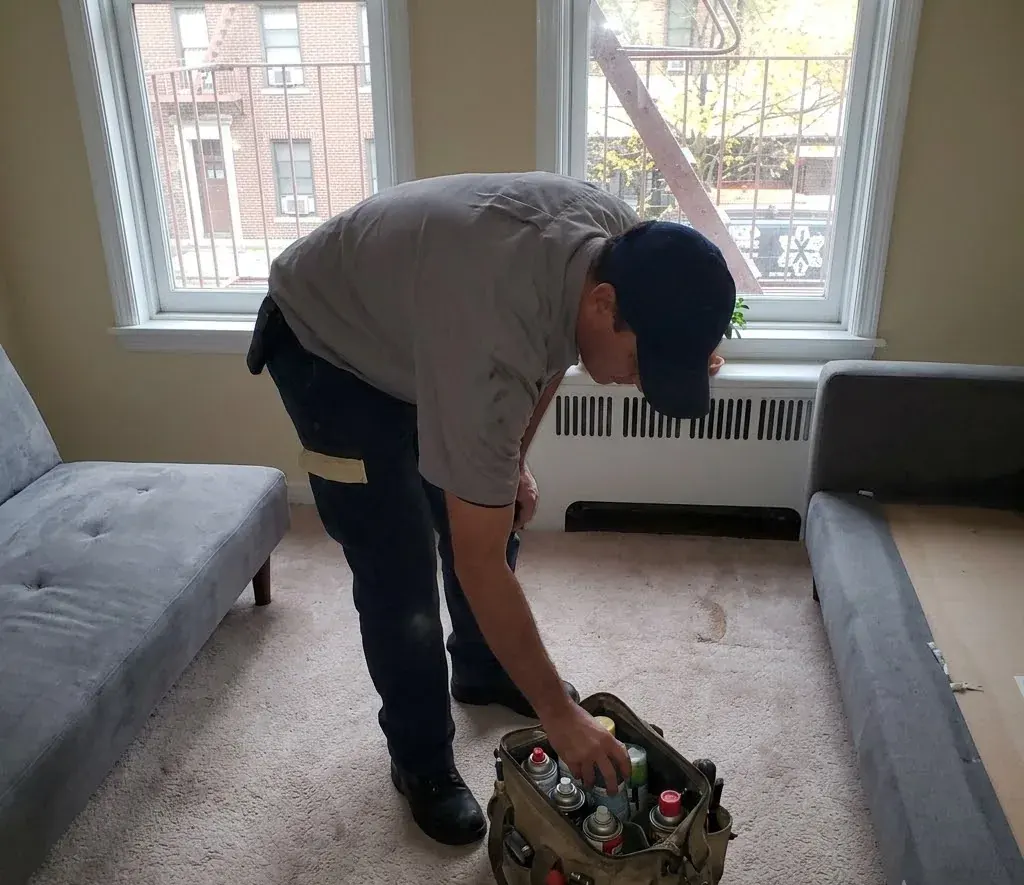
Plan access, treatment, and follow-up across High Point apartments, condos, and shared community buildings.
Property managers can coordinate termite control with a building-by-building schedule, clear access notices, and shared records for findings, treatment, and follow-up. Gather property files and ask a qualified provider for a documented inspection and monitoring plan that fits each site’s operations.
For apartments, condos, and shared buildings in High Point, termite work needs a schedule that accounts for who controls each space and how the property operates. A missed unit or locked utility area can leave a gap in the planned work. Set one property-wide process for access, work dates, records, and follow-up, then adapt it to each building. The pros we connect you with can discuss a documented inspection and monitoring plan with management. Start by gathering property records and identifying who can approve access and communicate changes.
Begin with a simple inventory: list each building, its shared areas, the management contact, and any access rules. Keep locations distinct even when ownership is shared. If a portfolio includes a High Point property and another in Greensboro, separate their records so findings and scheduled work stay tied to the right address. Include relevant treatment history and prior service documents when available. This gives the property manager and the pros we connect you with a clear starting point for planning across the portfolio.
A single calendar helps ownership see what is planned across a High Point community, but each entry should identify the building and area involved. Record proposed dates, access needs, the responsible contact, and whether work affects a shared space or individual units. Keep updates in one place that authorized staff can use. For a portfolio with a separate property in Colfax, label that site clearly rather than folding it into the High Point schedule. Clear records reduce crossed messages when plans change.
Agree on who makes decisions before dates are offered to occupants. An owner or board may approve the scope, while a property manager handles notices and access details; write down those responsibilities so requests do not stall between them. In High Point, a clear contact path is useful when a resident reports a concern or a common area needs to be made available. The service provider should know who can answer questions about building operations and who must receive schedule updates.
Occupants need practical notice: which area is involved, when access is expected, what preparation is requested, and whom to contact if the time does not work. Keep wording consistent across a High Point apartment community, but tailor it for residents, condo owners, and staff using shared rooms. Avoid promising a result or giving treatment instructions that have not been provided by the professional. A manager can keep a copy of each notice and note any access issue for rescheduling.
| Property | Access plan | Visit status |
|---|---|---|
| Property roster | Group apartments, condos, and shared buildings by address | Flag ownership and access contacts for each site |
| Access windows | Collect entry rules before setting appointment windows | Coordinate keys, escorts, and occupant availability |
| Resident notices | Set notice timing with management and occupants | State which areas need access and when |
| Shared spaces | Arrange access to common rooms and building edges | Keep paths clear during scheduled work |
| Treatment sequence | Ask the provider to sequence buildings around access | Avoid blocking routine building operations where possible |
| Occupant conflicts | Flag move-ins, repairs, and booked common areas | Reschedule affected areas with the provider |
| Follow-up visits | Keep planned return windows with each property record | Preserve station access if the plan uses them |
| Site records | Log dates, access issues, findings, and next steps | Use consistent building names across ownership and management |
Build the work window around how people use the property. A treatment visit may require access to a unit, a storage area, or a common room, so coordinate with leasing, maintenance, and any scheduled building activity. For High Point managers, a location reference such as the High Point Museum can help orient a portfolio map, but each service record should use the building’s own address. Confirm the planned areas and access arrangements with the professional before notices go out.
Do not ask residents or maintenance staff to move treatment equipment or disturb suspected termite activity to make a space look ready. If someone sees mud tubes, discarded wings, or damaged wood, note the location and report it to the provider. Those signs can point to termite activity, but an assessment is needed to determine what is present. In High Point, preserving the observation and its location gives the professional useful context without turning a resident report into a diagnosis.
Sequence work so the property can keep functioning. A manager might coordinate access to several units during a planned maintenance window, then schedule shared areas when residents are less likely to need them. The right order depends on the property and the professional’s plan. For a High Point condo association, tell the provider about building routines, restricted rooms, and any access rules before setting dates. Keep a route for urgent schedule changes so one missed appointment does not confuse the rest of the work.
Make shared spaces part of the schedule, not an afterthought. Basements, storage rooms, laundry areas, and other common spaces may have different keys, contacts, or operating hours from individual apartments. List these areas separately for each High Point building and confirm who can open them. A multi-unit termite treatment plan should say which spaces are included and how access will be handled. This helps management coordinate a complete visit while limiting avoidable interruptions to residents and staff.
When work involves occupied units, plan a reliable way to confirm entry and record any room that could not be accessed. Do not treat a completed visit at the building as proof that every scheduled area was reached. The manager can maintain a unit-by-unit access log while respecting resident privacy and sharing it only with those responsible for coordinating service. In High Point, this record helps the provider and ownership decide whether a return visit or a revised schedule is needed.
Monitoring visits also need access planning. If the service plan includes stations or other equipment, keep their locations on the property map and make sure they remain reachable for the provider. Residents and maintenance staff should know not to move or disturb them without checking first. For a High Point property, note landscaping, storage, or routine maintenance changes that could affect access, then pass those updates along. Keep the visit dates and service notes with the building’s other records.
Use a consistent tracking record for each property: scheduled date, areas reached, access problems, provider observations, and any agreed follow-up. A property manager can review open items before the next visit and assign each one to a responsible person. Keep the record factual; do not convert a reported sign into a confirmed infestation. For High Point buildings, this makes it easier for ownership to compare progress across sites and spot a missed task without mixing one property’s history with another’s.
Plan for changes after the first visit. A finding may lead to a different work scope or a need to return, and the timing can depend on access and property conditions. Ask the provider to identify the next action, who will arrange it, and what information should be shared with occupants. In High Point, keep that update attached to the relevant building record. Written terms should make clear what follow-up is included and what conditions apply, so managers can plan without assuming coverage.
Before requesting service, gather building addresses, available treatment records, access rules, and a list of management and ownership contacts. Ask the qualified termite professional how a documented inspection and monitoring plan would cover apartments, condos, and shared community buildings, and how visits can fit building operations. For a High Point portfolio, name each property and its access constraints clearly. Then confirm the proposed work areas, schedule, recordkeeping, and follow-up responsibilities in writing before coordinating notices.
Termite work across apartments, condos, and shared buildings needs one schedule and a record for each site. In High Point, a property manager can group access windows by building, notify residents and staff before work, and keep treatment dates and follow-up tasks in a shared log. Around the High Point Museum, The Big Chair, and Jamestown Park, familiar landmarks may help distinguish locations in internal route notes; each property still needs its own address and findings. Ask the pros we connect you with for a written scope that states where work is planned and how monitoring will be tracked.
Confirm that termite inspections and treatment can be arranged for residential and small commercial properties throughout the county; the linked communities show where service is available, includingHigh Point, Browns Summit and Colfax. Ask if the visit fee is separate from treatment, and check whether the property falls within the provider's travel area.
An office suite may need a narrower scope than a warehouse, so commercial termite work is generally priced per visit and adjusted for area and how often service is needed. Treat $75–$250 as a guide only. Findings, access, activity, treatment approach, and monitoring needs shape the written estimate.A larger High Point property or one with separate work areas can need more treatment points, stations, or follow-up, changing the quote. When calling, describe the building’s size, layout, storage areas, and observed signs; for a storefront near Greensboro Arboretum, ask about inspection charges and request the included work in writing from the pros we connect you with.For broader commercial planning, follow pricing guide for full service bands and commercial overview for scheduled termite program details.
A site-wide review can show whether reported signs are limited to one building or appear across the property. In High Point, identify which units and common areas can be accessed and who can arrange entry. Then ask the pros we connect you with for a documented, site-wide inspection and monitoring plan that assigns findings and follow-up to each building. Keep suspected activity undisturbed and note its location for the provider.
Set access windows with building staff and give occupants clear notice of the areas and dates involved. For High Point apartments and condos, the schedule should distinguish private units from shared spaces and account for resident access, deliveries, and routine building operations. Ask the provider to identify any preparation or temporary access limits in writing, then record changes and completed work by property so managers can follow up without relying on informal messages.
Keep a shared property log with each building address, inspection date, observed concerns, planned work, access status, and next action. In High Point, ownership, management, and site staff can use the same record while limiting resident details to what is needed to arrange entry. Ask the provider what findings and monitoring visits will be documented, who receives updates, and how unresolved items will be assigned and tracked.
The schedule depends on the findings, treatment method, site access, and building operations. For a High Point community, ask the provider to map work by building, identify access needs, and state when follow-up is due. Bait stations, if included in the plan, need access for periodic checks; managers should track those visits and avoid moving stations without guidance. Review the written scope for monitoring and follow-up terms.
Gather property addresses, prior service records, and access contacts, then ask the pros we connect you with for a documented site-wide plan.
Call (336) 360-9719